The post Unlocking Business Insights: How Audits Can Reveal Hidden Opportunities appeared first on AGN International.
]]>The term “audit” for many businesses brings to mind regulatory scrutiny, along with compliance requirements and administrative challenges. However, this view misses a crucial point. A properly conducted audit represents more than a mere regulatory requirement because it serves as a strategic instrument that reveals operational weaknesses while enhancing control systems and detecting potential areas for business expansion.
Audits become effective tools for business enhancement when conducted by knowledgeable professionals with a clear purpose, as they reveal both operational and financial aspects, which lead to better performance and sustained success.
Beyond Compliance: The True Value of an Audit
Audits are primarily driven by financial reporting obligations and regulatory standards, yet they consistently yield numerous hidden insights during the process. Through independent and objective assessment, an exhaustive audit evaluates a company’s financial condition as well as its control systems and operational integrity. An external viewpoint helps to identify operational trends and risks alongside hidden inefficiencies that normal operations fail to detect.
Some of the critical benefits include:
- Identifying inefficiencies in operations or cash flow.
- The audit identifies areas where control systems show weaknesses or inconsistent application.
- Assessing both the correctness of financial information and the trustworthiness of data used for making business decisions.
- Detecting unrecognised risks or liabilities.
- Revealing underperforming business units or unprofitable products.
- Finding potential tax and compliance problems before they develop into bigger issues.
Businesses that engage with audit processes move beyond compliance to establish stronger positions for strategic decision-making and resource optimisation while planning growth.
Calibre Business Advisory’s Role in Adding Value
Growing businesses with limited internal staff or disjointed financial structures often find the audit process challenging to navigate. Calibre Business Advisory can assist businesses during this stage of the process. Organisations work with Calibre to transform their audit outlook from a burdensome necessity into a strategic advantage through our deep expertise in audit preparation and advisory services.
Their approach involves:
1. Pre-Audit Readiness and Risk Assessment
Calibre collaborates with clients to evaluate financial records and risk exposures as well as internal control status before starting the audit process. The process promotes efficient auditing alongside early detection of warning signs.
2. Liaising With External Auditors
We function as a connecting point between the business and external auditors while managing documentation completeness and response accuracy, and explaining potential issues. The process enhances engagement while minimising unexpected risks.
3. Translating Audit Findings Into Strategic Insights
Calibre provides advisory services immediately after the conclusion of many audit reports. Our experts translate audit findings into business strategies by pinpointing internal inefficiencies, procedural gaps, and financial inconsistencies that need resolution.
4. Embedding Continuous Improvement
Calibre inspires clients to move beyond the perception of audits as annual activities by fostering a year-round culture of continuous improvement using audit insights to boost operational performance, compliance standards and strategic growth planning.
Case in Point: Operational Efficiency
Audits often reveal critical insights about operational inefficiencies, which hold significant value. Operational inefficiencies can appear as poor inventory management systems alongside ineffective procurement procedures and repeated administrative operations with insufficient cost tracking methods. Businesses that discover inefficiencies can create better processes which help cut waste, increase profit margins and use resources more efficiently.
Calibre’s team provides clients with customised action plans to execute audit recommendations, which include tasks such as software integration, workflow restructuring and staff retraining. Businesses achieve better audit compliance along with improved business agility and cost savings.
Strengthening Internal Controls and Governance
The implementation of robust internal controls plays a key role in reducing fraud risk while guaranteeing data integrity and sustaining stakeholder trust. The audit process consistently identifies system weaknesses, including insufficient separation of duties, together with undocumented policies and unrestricted access to financial information.
Businesses can establish risk-based control frameworks matched to their organisation’s size and complexity through collaboration with Calibre Business Advisory. Control frameworks can involve automated approval workflows as well as delegated authority matrices, together with enhanced reporting tools. Better governance helps organisations succeed in audits while also establishing long-term stability and building investor trust.
Leveraging Financial Insights for Strategic Growth
Financial audit results expose underlying trends, including weak business segments and irregular revenue patterns alongside unnecessary spending areas. These insights act as a foundational platform to develop strategic plans.
For example, a business might:
- Streamline product offerings based on margin analysis.
- Adjust pricing strategies to improve profitability.
- Divest underperforming assets.
- Reinvest in high-growth areas.
Businesses that utilise these insights together with professional advice from business advisors can achieve decisions that maintain financial stability and capitalise on market opportunities.
Aligning with Evolving Regulatory Expectations
The regulatory sector has recently placed greater emphasis on ESG (environmental, social, and governance) disclosures, cyber risk mitigation, and corporate transparency standards. Modern audits now cover expanded areas, which makes remaining proactive crucial for businesses.
Sydney-based audit firms, including Calibre’s partners, maintain up-to-date knowledge of current reporting standards and industry expectations. Businesses that maintain compliance while demonstrating proactive governance build a stronger reputation that attracts stakeholders, customers and investors.
Embedding a Culture of Continuous Review
A shift in mindset represents the most powerful legacy that results from a high-impact audit. Companies that approach audits simply as compliance exercises fail to realise opportunities for ongoing enhancement. Organisations that adopt the review and reflection process as part of their operations obtain a strategic advantage.
Audits as a Catalyst for Growth
An effective audit process has the power to act as a transformative force within businesses rather than being just a formality. Audits empower organisations to eliminate hidden weaknesses and financial misunderstandings while directing them toward operational an improvement, which enables them to solidify their core structure and capitalise on growth possibilities.
Businesses achieve maximum audit benefits when they partner with established professionals from organisations like Calibre Business Advisory. Audits transform from mere compliance tasks into vital instruments for sustained success through custom support and strategic execution.
Audit services in Sydney are a wise investment for businesses that want to access these growth opportunities. Organisations that combine curiosity with thorough preparation and a dedication to continual betterment during audits can improve their performance while establishing trust and succeeding in complex global environments.
Contributed by:

Calibre Business Advisory
Level 8, 1 York St Sydney NSW 200
Web: https://calibreba.com.au/
Email: enquiries@calibreba.com.au
Phone: +61 2 9261 2177
The post Unlocking Business Insights: How Audits Can Reveal Hidden Opportunities appeared first on AGN International.
]]>The post Press Release: The AGN 2025 Asia Pacific Regional Meeting Drives Collaboration Through Change appeared first on AGN International.
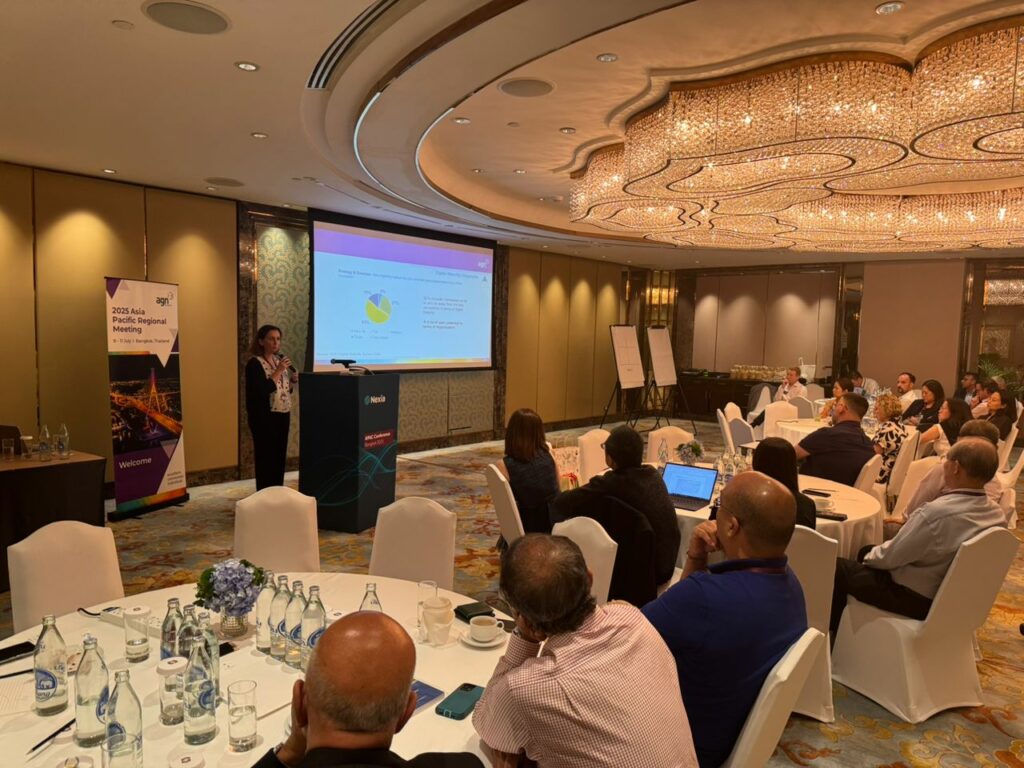
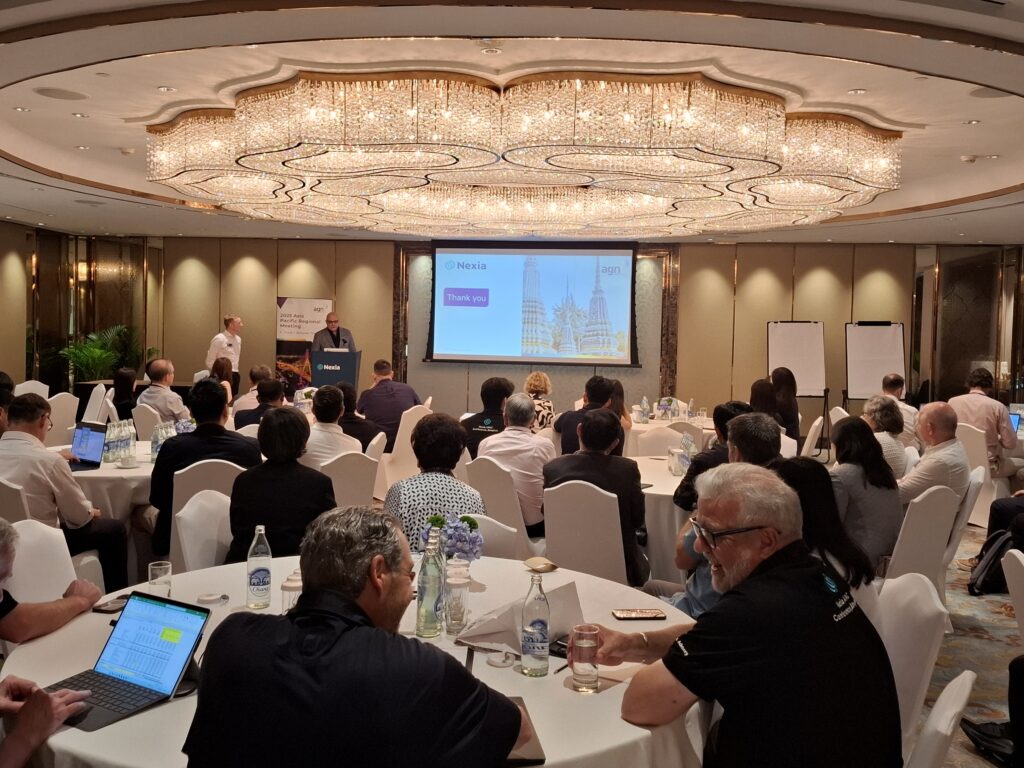
]]>The two events brought together over 120 participants from both AGN and Nexia, offering a valuable opportunity to connect, exchange ideas, and further strengthen the collaborative relationship between the two associations in the region.
The meeting kicked off on the evening of 9 July with a traditional Thai welcome dinner, offering a relaxed atmosphere for attendees to get to know one another while experiencing the city’s culture.
Learning and Growing Together
Thursday’s programme began with an AGN-only session, featuring a thought-provoking panel discussion on sustainability management, moderated by Kevin Bae and Tim Suryanata of Calibre Business Advisory (Australia and Singapore). Panellists from China, India, Indonesia, and New Zealand shared insights on in-demand services and key aspects of capability management across various jurisdictions.
Andrew White from Ashfords, Australia, shared inspiring insights from the AGN Talent Secondment Programme, highlighting the benefits of cross-border collaboration through staff exchanges with Ballards LLP in the UK.
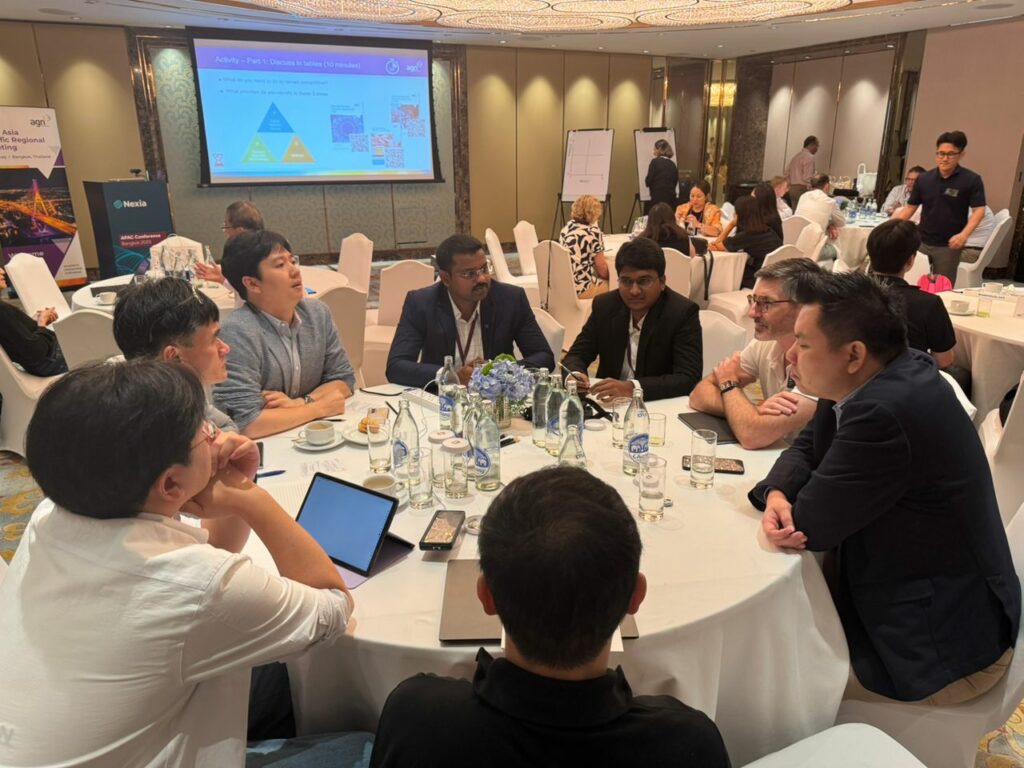
Malcolm Ward, AGN Global CEO, and Mireia Rovira, AGN Director of Brand and Member Value, then led an engaging session on “Calibrating Your International Business Strategy.” They introduced key concepts to build international business strategy, highlighting some of the tools and resources available to members. This was followed by a workshop to discuss practical strategies and challenges in smaller groups.
Later in the day, delegates experienced some of Bangkok’s iconic culture, visiting Wat Arun (Temple of Dawn) and Wat Pho (Temple of the Reclining Buddha), followed by a memorable dinner aboard the Horizon Cruise on the Chao Phraya River—enjoying five-star cuisine with stunning views of the city at night.
Sharing Experiences and Building Value
Friday morning began with a breakfast discussion for women from AGN Asia Pacific firms, creating a supportive space to exchange stories, challenges, and successes. The session also aimed to guide firm leaders on how to attract, retain, and promote talent by understanding and embracing the unique challenges women face in the profession.
The half-day conference began with opening remarks delivered by Nexia’s APAC Chair, Krupal Kanakia, and AGN’s APAC Chair, Greg Cusack, then continued with updates on our collaborative alliance presented by Nexia’s CEO Matthew Howell, and AGN’s Global CEO Malcolm Ward. Delegates then dived into two key sessions: Nexia presented about Talent Management, focusing on career development frameworks, and AGN team focused on Building Value to Firms, showcasing the approach on member value with focus on the Technology space, in context with the transformation of the competitive space. A quick assessment showed how firms rated priorities on this area.
After lunch, some AGN delegates joined an optional tour to explore Ayutthaya—Thailand’s former capital and UNESCO World Heritage Site. The tour included a visit to the Elephant Palace & Royal Kraal to learn about the cultural importance of elephants, a guided walk, through Ayutthaya Historical Park, and concluded with a scenic dinner at Grand Chaopraya Riverside Dining.

“I’ve been a member of AGN for almost ten years. One of the key takeaways from this year’s conference was the importance of focusing more on international business — something that really stood out to me during Malcolm and Mireia’s session. This is also my second conference attended alongside Nexia members. It was great to reconnect with some I met last year and meet new ones. I really enjoyed connecting with them.”
Manoj Chawla – KNM, India

“It’s been a great experience to be part of the 2025 Asia Pacific Regional Meeting in Bangkok. I really enjoyed the sustainability management panel discussion on Thursday morning. I learned a lot, especially about regional collaborations and the challenges in the region. I’m going home with great memories.”
Yun Shan (Sandy) Lin, CPA at EnWise CPAs & Co, Taiwan
A Meaningful Gathering for the Region
The AGN Asia Pacific Regional Meeting 2025 blended insightful professional discussions with rich cultural experiences, helping members strengthen their connections and discover new ideas to support growth and collaboration across borders.










The post Press Release: The AGN 2025 Asia Pacific Regional Meeting Drives Collaboration Through Change appeared first on AGN International.
]]>The post AGN Taxpresso: 2025 – Issue 2 appeared first on AGN International.
]]>- Up-to-date information on tax developments in Asia Pacific countries.
- Current corporate world issues and hot topics affecting the respective countries’ economies and global development – including insight into the potential impact this could have.
- Annual budget announcements.
In this issue…
SINGAPORE
Explore how Singapore’s 2025 Budget strikes a balance between short-term economic relief and long-term growth and sustainability initiatives. Contributed by N Vimala Devi at BSL Tax Services.
PAKISTAN
Review the proposed amendments under Pakistan’s 2025 Finance Bill, highlighting key changes likely to impact businesses and investors.
The post AGN Taxpresso: 2025 – Issue 2 appeared first on AGN International.
]]>The post Chaordic CFO – Managing DISTRESS in an Uncertain Future appeared first on AGN International.
]]>Chaordic perfectly describes the environment finance leaders now operate in, a fusion of chaos and order. In March 2025, R Venkatakrishnan wrote an article titled Accounting in the Era of STEM, published in The Hindu Business Line. The piece explored the changing landscape of the finance profession amidst the rise of Science, Technology, Engineering, and Mathematics disciplines. The response was overwhelming and encouraging. It prompted a deeper reflection—not just on accounting per se, but on the evolving nature of leadership in finance, particularly the CFO’s role.
That journey, and the conversations it sparked, culminated in an address to a forum of senior finance professionals on the theme: “Chaordic CFO – Managing DISTRESS in an Uncertain Future.” The title was a deliberate play, on both the emotional and structural stress, experienced in today’s business world, and on the leadership compass needed to manage it.
The word Distress:
Was used as a strategic acronym Disruption, Innovation, Strategy, Transformational Growth, Resilience, Execution, Storytelling, and Stakeholder Management. Each dimension reflects an area where the CFO’s responsibilities have evolved. The objective is not merely to diagnose corporate pain points, but to offer a roadmap moving from distress to ‘eustress’ a productive, purposeful stress that drives excellence.
The term ‘chaordic’:
Perfectly describes the environment finance leaders now operate in, a fusion of chaos and order. Today’s CFO must strike a balance between structure and innovation, compliance and creativity. Systems must be self-organising, adaptive, and resilient. Too much order leads to rigidity and missed opportunities. Too much chaos results in collapse and confusion. The Chaordic CFO thrives in this space, designing systems that are stable yet agile prepared for disruption, but wired for reinvention. Chaordic is not about eliminating uncertainty it is about leveraging it for growth.
Chaordic: Setting the Stage
In a world of exponential change technological acceleration, regulatory flux, ESG expectations, and geopolitical uncertainty—finance professionals are under more pressure than ever. For decades, they have been trained to drive by looking in the rear-view mirror, obsessing over historical data. But in today’s landscape, that’s not just limiting it is dangerous.
Marshall Goldsmith’s famous book, ‘What Got You Here Won’t Get You There’, speaks to a mindset shift. Past strengths become blind spots. Comfort zones calcify. To lead in the modern enterprise, CFOs must let go of outdated patterns and embrace agility. The real question is not whether change is coming it is whether we are ready to stay ahead of it.
Disruption: The New Normal
Disruption is not a trend in this environment. Technology is reshaping every sector, consumer behaviour is shifting faster than ever, and geopolitical shocks are redefining supply chains. What makes this disruption more challenging is its unpredictability and pace. CFOs must now function as foresight enablers detecting early signals, modelling scenarios, and funding agility.
It is deeply ironic that the quote ‘Only the paranoid survive’ came from Andy Grove, the former CEO of Intel a company now facing sustained challenges from Nvidia and Chinese semiconductor firms. Even titans can stumble if they fail to adapt. Disruption now comes not just from competitors but from adjacent industries, startups, and platform models. CFOs must build organisations that don’t just absorb shocks but anticipate and capitalise on them.
Innovation: Commercialising the Future
Innovation has shifted from being a lab function to a boardroom priority. It is also conjunction of two words viz., invention and commercialisation. It’s no longer just about products; it is about new business models, new partnerships, and new ways of delivering value. CFOs must move beyond the ROI lens alone and understand the potential of test-and-learn models, venture capital style investments, and sandbox experimentation.
Take 3M’s example, where 40% of its revenues must come from products introduced in the last five years. Or Ather Energy, incubated by IIT Madras, that scaled into a nationally recognised EV brand where the incubator has raked in a coolk Rs.50 crore from the offer for sale in the public issue. Finance must now fuel innovation not just evaluate it. CFOs must underwrite risk that creates long-term optionality.
Strategy: Agility with Focus
Strategic clarity is no longer about five-year forecasts. It’s about adaptive decision-making and dynamic capital allocation. AV Thomas’s investment of ₹25 crore in Chai Kings shows how legacy firms are diversifying into emerging markets a classic case of corporate venture capital. Similarly, Century Pulp’s divestiture of its paper division to ITC for ₹3500 crore underlines the strategic importance of focusing on core competencies.
Organisations are embracing circularity to reduce waste and manage cost, aligning sustainability with strategy. According to an EY India survey, over 74% of Indian corporates plan to divest non-core assets over the next 24 months. CFOs must be stewards of simplification and strategic boldness.
Transformational Growth: Moving Beyond Linear Ambitions
Linear growth is no longer viable. In a post-pandemic economy shaped by digital transformation, CFOs
must support adjacencies, build ecosystems, and simultaneously drive scale and efficiency. Transformational growth is about doing many things at once; entering new markets, exiting declining
verticals, building platforms, and reinventing delivery.
It also involves challenging assumptions. The boldest CFOs support disruptive bets whether transitioning from B2B to B2C, investing in net zero transitions, or acquiring capabilities, not just revenue. Transformational CFOs help the organisation operate with a venture capitalist mindset.
Resilience: The Boardroom Priority
Resilience is no longer reactive; it must be embedded in business design. From climate events to cyberattacks and supply disruptions, organisations must be equipped to bounce forward, not just back. McKinsey outlines six dimensions of resilience – financial, operational, technological, organisational, reputational, and business model. CFOs now oversee more than capital; they govern continuity.
Boards now ask: Do we have the liquidity buffer for the next disruption? Can our cost structure flex if demand collapses? Resilience also includes reputational equity. CFOs must institutionalise preparedness, monitor lead indicators, and embed risk thinking into every process.
Execution: The Discipline of Doing
Execution is what separates vision from reality. A recent Business Standard report noted Tata Steel’s plan to take out ₹11,000 crore in costs on top of ₹6000 crore already realised in FY25. Such initiatives signal that execution must be relentless. Consumers are price sensitive. Passing cost increases is difficult. The only path forward is variable cost design, continuous upskilling, and capacity flexibility. Execution also means systems that support decision-making at speed.
The CFO must empower frontline managers with real-time data, nurture a culture of ownership, and facilitate productivity through technology. Agility is not about chaos it is about preparation meeting opportunity.
Storytelling: Data with a Heartbeat
Today’s CFO must speak the language of influence, not just accuracy. Whether explaining investment strategy to the board or decoding ESG disclosures to investors, the ability to narrate numbers is a superpower.
Storytelling brings structure to ambiguity and converts insight into alignment. It is not enough to report that margins shrank. One must explain why, what’s next, and how strategy adapts. Storytelling is also critical in earnings calls, sustainability reporting, and employee town halls. A CFO who can tell a story backed by data earns credibility across all stakeholders.
Stakeholder Management: The Trust Imperative
Stakeholder management has become central to the CFO’s role. With rising public scrutiny, social media activism, and ESG mandates, companies must engage diverse interest groups with integrity. Stakeholders now include investors, employees, regulators, communities, NGOs, and platforms. Each has different expectations—and one misstep can go viral.
CFOs must ensure that communication is consistent, transparent, and backed by ethics. From regulatory filings to advertising messages, every output must reinforce corporate trustworthiness. In this era, compliance is the baseline. What sets leaders apart is principled engagement.
From DISTRESS to EUSTRESS
Not all stress is harmful. Eustress, the positive tension that motivates performance, is essential to growth. The Chaordic CFOs doesn’t fear challenge. They harness it. They convert disruption into discipline, ambiguity into architecture, and pressure into possibility.
Moving from DISTRESS to EUSTRESS is about re-framing the CFO’s function: from protector to co-creator, from controller to catalyst. It is about building cultures that don’t avoid risk but learn from it. Eustress is energy with direction. It empowers the organisation to stretch without snapping.
Inventing the Future
As Alan Kay said, ‘The best way to predict the future is to invent it.’ CFOs now have the mandate and tools to shape the future. But as John C. Maxwell reminds us, ‘If you don’t create the future you want, you must endure the future you get.’
The Chaordic CFO is no longer confined to the balance sheet. They are strategic designers, resilience champions, and change agents. Their mandate is to build organisations that are future-ready fiscally sound, digitally intelligent, and ethically grounded.
This is not just about navigating the next disruption it is about leading the transformation. From DISTRESS to EUSTRESS is not just a framework. It is a call to action.
Contributed by:

R V K S and Associates
Head Office:
No.147, Rajparis Trimeni Towers
GN Chetty Road, TNagar
Chennai, 600017
Branches:
- Chennai
- Banglore
- Hyderabad
- Andhra Pradesh
- Maharashtra
Web: www.rvkassociates.com
Email: assurance@rvkassociates.com
Phone: 044-28150540/541/542
The post Chaordic CFO – Managing DISTRESS in an Uncertain Future appeared first on AGN International.
]]>The post Resilience Strategies for Businesses – Navigate Economic Uncertainty appeared first on AGN International.
]]>Businesses operating within a global economy full of unpredictability need to develop capabilities that help them not just endure economic recessions but also emerge from them with enhanced strength and a competitive edge.
Economic uncertainty stemming from market changes, geopolitical issues or unexpected global phenomena such as pandemics forces businesses to reassess their operational approaches and growth strategies. Organisations must prioritise resilience-building because it has become essential for their survival.
1. Strengthen Financial Planning and Risk Management
Financial resilience starts with rigorous planning. Businesses need to perform stress tests on financial forecasts while keeping ample cash reserves and establishing various financial scenarios for revenue streams and capital requirements. Companies with thorough knowledge of their cash flow patterns that establish backup plans achieve superior decision-making capabilities during unstable times.
Budget flexibility is essential. Instead of fixed yearly plans, organisations should utilise rolling forecasts, which are modified based on current conditions. Evaluate non-essential spending while directing investments towards activities that sustain primary income sources and encourage long-term business expansion.
Consulting business advisory professionals offers valuable supplementary perspectives. Through expert advice, businesses can establish risk-adjusted financial plans while examining debt responsibilities and pinpointing potential financial weaknesses before reaching crisis levels.
2. Diversify Revenue Streams
Businesses that depend entirely on one product or customer group increase their risk in economic recessions. Spreading risk across multiple ventures enables businesses to capture new growth opportunities through diversification.
Businesses need to evaluate their current product or service selections to identify opportunities for adding complementary offerings. A business that delivers services in person could expand its market reach by adopting digital delivery methods.
Businesses can lower their reliance on a single economic region or sector through the feasible exploration of new customer segments and international markets. Stabilising revenue through small diversification efforts does not require major alterations.
3. Increase Operational Flexibility
Businesses need to maintain operational flexibility to scale their operations either up or down swiftly when facing economic uncertainty. The strategy affects all operational areas, including staffing solutions and supply chain management, and extends to production capabilities and distribution methods.
Businesses can benefit from adopting flexible employment models, which include casual contracts and outsourcing of non-essential tasks. Developing strong supplier partnerships helps businesses achieve more responsive inventory control and better cost management.
Companies must prioritise digital transformation investments to progress effectively. Through the implementation of cloud systems and remote work solutions alongside automated procedures, organisations can achieve faster responses and lower fixed expenses but still keep continuous operations.
Periodic evaluations of operational workflows reveal inefficiencies and redundant processes that transform into liabilities during economic downturns. Streamlining business operations boosts day-to-day performance and helps protect the company during economic downturns.
4. Maintain Strong Communication and Leadership
Organisations gain internal and external stakeholder confidence when leadership demonstrates transparency and decisiveness. In periods of uncertainty, leaders need to establish consistent communication with their employees as well as customers, suppliers and investors.
Effective communication regarding business targets and financial status, alongside strategic shifts, promotes trust and alignment. When employees comprehend how their work supports their organisation’s sustainability and recovery, they demonstrate higher engagement and productivity levels.
The participation of essential staff members in contingency preparations and scenario analysis is a fundamental requirement. When employees from various departments work together, they discover useful insights and develop joint responsibility for resilience measures.
5. Optimise Tax Strategy and Compliance
Effective tax planning during economic stress delivers significant savings while boosting cash flow for businesses. Companies need to regularly evaluate their tax responsibilities while checking for possible reliefs, deductions and deferral opportunities, particularly when government stimulus periods or downturn-related concessions are available.
Businesses can achieve compliance and maximise benefits by engaging experienced tax accountants in Sydney. Tax professionals provide guidance on business entity restructuring as well as review capital purchases and superannuation contribution planning to reduce tax liabilities.
Keeping abreast of changing tax laws and regulatory requirements helps prevent expensive penalties and lost opportunities, which become crucial when legislative changes occur rapidly.
6. Embrace Market Adaptability
The power to adapt represents one of the most significant characteristics of businesses that endure. Economic signals and consumer behaviour changes, along with technological breakthroughs, can cause markets to change direction swiftly. Businesses should develop the capability to pivot quickly to address market changes directly.
Perform regular market research to stay informed about industry trends together with competitor actions and customer preferences. Apply this data to improve your value proposition or modify your pricing strategies and consider rebranding as needed.
Customers usually reconsider how they spend their money when economic conditions are unstable. Companies that respond to customer needs with flexible payment options and customised products or services maintain stronger customer loyalty.
7. Invest in Customer and Supplier Relationships
Strong and supportive associations with customers and suppliers become essential lifelines during tough times.
With customers, go beyond transactional interactions. Understand their evolving needs and pain points. Use value-added services and flexible payment options, along with loyalty programs, to maintain customer engagement.
Effective supplier relationships require transparent operations along with proactive communication. Building solid partnerships with suppliers results in advantageous contract terms and inventory access benefits, as well as cooperative problem-solving during difficult times.
When economic conditions require compromise, better long-term results emerge from collaborative partnerships instead of adversarial negotiations.
8. Leverage Data and Scenario Planning
To effectively manage economic changes, businesses require a comprehensive understanding of key performance indicators (KPIs) along with access to real-time data. Reliable data systems deliver improved forecasting capabilities alongside performance monitoring and help uncover cost-saving possibilities.
Scenario planning is equally critical. Build best-case, base-case and worst-case scenarios to understand potential market changes that could affect your business. When preparing for economic changes, ensure to analyse variables like currency fluctuations along with supply disruptions and regulatory shifts and changes in consumer behaviour.
Our objective should be centred around preparing for future events instead of attempting to predict them. Leadership teams that utilise data-driven insights make decisions that have stronger outcomes and lower associated risks.
Calibre Business Advisory is here to help businesses build their operations on solid financial planning and operational adaptability, as well as to transform uncertain situations into business opportunities. No single method ensures protection from external disruptions, but Calibre can develop a comprehensive strategy to increase your company’s capacity to survive difficulties and prepare it for successful recovery.
Businesses gain strategic clarity through external perspectives when they engage expert partners like Calibre at critical times. When strong internal leadership joins forces with continuous improvement practices, businesses establish a foundation that supports true resilience.
Contributed by:
Calibre Business Advisory
Level 8
1 York Street
SYDNEY NSW 2000
AUSTRALIA
Web: https://calibreba.com.au/
Email: tim.sury@calibreba.com.au
Phone: +61 2 9261 2177
The post Resilience Strategies for Businesses – Navigate Economic Uncertainty appeared first on AGN International.
]]>The post AGN Taxpresso: 2025 – Issue 1 appeared first on AGN International.
]]>- Up-to-date information on tax developments in Asia Pacific countries.
- Current corporate world issues and hot topics affecting the respective countries’ economies and global development – including insight into the potential impact this could have.
- Annual budget announcements.
In this issue…
Message from the Chairman:
Richard Ashby notes rising tax authority pressure and aggressive enforcement, highlights continued committee engagement across Asia Pacific, and invites member feedback and participation in future AGN Taxpresso editions.
China: Export Tax Rebates
China ended or reduced export tax rebates on key commodities, aiming to prioritise domestic needs, triggering global market volatility, trade tension concerns, and potential supply chain disruptions. Contributed by Mandy Liu, Acclime.
New Zealand: Exposure to GST
Non-resident businesses may need to register for New Zealand GST (Goods and Services Tax) if they exceed NZD 60,000 in supplies, with specific rules for goods, remote services, low-value imports, and refund eligibility. Contributed by Richard Ashby, Gilligan Sheppard.
The post AGN Taxpresso: 2025 – Issue 1 appeared first on AGN International.
]]>The post Why Should Accounting Be Considered a STEM Discipline? appeared first on AGN International.
]]>Recognising accounting as a STEM (Science, Technology, Engineering, and Mathematics) field not only enhances financial literacy among innovators but also instils sense of accountability, essential for sustainable growth.
In a rapidly evolving business landscape, there is a strong case for integration of accounting into STEM disciplines which is also gaining momentum globally. This shift is particularly pertinent for India, where a burgeoning focus on STEM-driven entrepreneurship only further increases the necessity of robust accounting knowledge.
Recognising accounting as a STEM field not only enhances financial literacy among innovators but also instils a critical sense of accountability, essential for sustainable growth.
Need for steam in STEM
Traditionally, accounting has been viewed through a purely financial lens. However, the modern accounting profession increasingly intersects with technology and data analytics, not to speak of risk management, aligning closely with STEM fields. This integration facilitates advanced financial modelling, predictive analytics, and efficient resource management, all of which are vital in today’s data-driven economy. If accounting were part of the STEM portfolio, it would be clear that it is a pathway to putting high-level technical skills to practical use.
Enhancing entrepreneurial success in STEM
India’s entrepreneurial ecosystem is witnessing a surge in STEM-related start-ups, ranging from biotechnology to information technology. While these ventures are often rich in innovation, they may stumble on the financial acumen necessary for long-term success. Integrating accounting education into STEM curricula can bridge this gap, equipping entrepreneurs with the skills to manage finances effectively, assess economic viability, and make informed strategic decisions. This fusion ensures that technological innovations are supported by sound financial planning, increasing the likelihood of sustainable success.
Accounting in an environment of dynamic pricing
In an era where dynamic pricing has become the norm across industries from e-commerce and ride-hailing services to airline ticketing and renewable energy, accounting plays a crucial role in strategic decision-making for STEM entrepreneurs. The ability to analyse cost structures, determine break-even points, and assess marginal costs is essential for businesses operating in volatile pricing environments. Knowledge of accounting empowers entrepreneurs to optimise pricing strategies based on real-time financial data, ensuring profitability while remaining competitive. By integrating cost accounting principles with data analytics, start-ups can make informed decisions on pricing elasticity, discounting strategies, and revenue optimisation. This financial acumen not only helps businesses stay agile but also fosters long-term sustainability in a rapidly evolving marketplace.
Promoting accountability and governance
Incorporating accounting into STEM education fosters a culture of accountability. Entrepreneurs trained in accounting principles are better prepared to implement transparent financial practices, adhere to regulatory requirements, and build trust with investors and stakeholders. This accountability is crucial in mitigating risks and maintaining the integrity of business operations.
Entrepreneurs today operate in an environment where external financing, whether through debt or equity, is not just an option but a necessity for scaling their businesses. However, with increasing reliance on external funding comes heightened scrutiny from investors, lenders, and regulatory authorities. Equity investors demand transparency in financial reporting to assess the viability of their investments, while lenders require assurance that financial obligations can be met. As financial transactions grow in complexity, so do accounting standards and compliance requirements, making it imperative for entrepreneurs to have a strong grasp of financial discipline. Adhering to recognised accounting principles and regulatory norms is no longer a procedural formality but a fundamental expectation that determines access to capital, investor confidence, and long-term credibility.
Despite the enormous potential of many start-ups, failure to meet these expectations has led to serious consequences. In recent years, several high-profile startups in India have suffered significant setbacks due to governance failures and financial mismanagement. Byju’s, once a dominant player in the edtech sector, found itself entangled in financial controversies, including delayed reporting, misaligned growth projections, and concerns over fund utilisation, all of which contributed to a drastic erosion of investor trust.
BharatPe, a promising fintech company, saw leadership disputes expose deeper governance flaws, raising red flags about internal controls and accountability. Zilingo, a fashion e-commerce startup, collapsed under allegations of financial misrepresentation, leading to the ousting of its CEO and eventual business failure. GoMechanic, an automotive service start-up, admitted to inflating revenue figures, triggering a crisis that resulted in mass layoffs and investor exits. Similarly, Mojocare, a health and wellness start-up, came under scrutiny for financial irregularities that further underscored the need for rigorous compliance frameworks.
These references serve as a stark reminder that financial missteps, whether intentional or due to negligence, can derail even the most promising ventures. Investors, regulators, and other stakeholders now expect start-ups to maintain not only innovative business models but also sound financial discipline. The ability to navigate complex accounting standards and compliance requirements is no longer optional but a prerequisite for survival in an increasingly scrutinised start-up ecosystem. As the funding environment becomes more selective, entrepreneurs who prioritise financial transparency and governance will stand a far better chance of securing capital, sustaining investor confidence, and ultimately building businesses that last.
The growing importance of ESG considerations
Environmental, Social, and Governance (ESG) factors are becoming central to business evaluations, not to speak of taxation issues, worldwide. In India, regulatory bodies like the Securities and Exchange Board of India (SEBI) have proposed expanding the sustainable finance framework, emphasising the need for comprehensive ESG reporting. Accountants play a pivotal role in this context by identifying relevant metrics, developing measurement methodologies, and ensuring the accuracy of ESG disclosures. Their expertise ensures that companies not only comply with regulations but also contribute positively to societal goals.
As India continues to advance in STEM fields, recognising accounting as an integral component of this framework is imperative. This recognition will equip entrepreneurs and professionals with the financial expertise necessary to navigate complex business landscapes, uphold accountability, and meet evolving ESG standards. By embracing accounting within the STEM paradigm, India can foster a more holistic approach to education and business, driving innovation that is both economically viable and socially responsible.
Contributed by:
R V K S and Associates
Head Office Location
No.147, Rajparis Trimeni Towers
GN Chetty Road,TNagar, Chennai- 600017.
Branches: Chennai, Banglore, Hyderabad, Andhra Pradesh, Maharashtra
Web: www.rvkassociates.com
Email: assurance@rvkassociates.com
Phone: 044-28150540/541/542
The post Why Should Accounting Be Considered a STEM Discipline? appeared first on AGN International.
]]>The post Asia Pacific Tax Cards 2025 appeared first on AGN International.
]]>This publication has been prepared for the purpose of quick information dissemination. Its contents should not be used as a basis for advice or formulating decisions under any circumstances.
The post Asia Pacific Tax Cards 2025 appeared first on AGN International.
]]>The post Asia Pacific Transfer Pricing 2025 appeared first on AGN International.
]]>This publication has been prepared for the purpose of quick information dissemination. Its contents should not be used as a basis for advice or formulating decisions under any circumstances.
The post Asia Pacific Transfer Pricing 2025 appeared first on AGN International.
]]>The post AGN Taxpresso: 2024 – Issue 4 appeared first on AGN International.
]]>- Up-to-date information on tax developments in Asia Pacific countries.
- Current corporate world issues and hot topics affecting the respective countries’ economies and global development – including insight into the potential impact this could have.
- Annual budget announcements.
In this issue…
Philippines:
The CREATE More Act (Republic Act No.12066) is a significant legislative initiative in the Philippines aimed at enhancing the investment climate by building on the foundations of the Corporate Recovery and Tax
Incentives for Enterprises (CREATE) Law.
Singapore:
Singapore revises Transfer Pricing Rules for Domestic Loans and Increases Exemption Threshold for Certain Non-Domestic Transactions.
The post AGN Taxpresso: 2024 – Issue 4 appeared first on AGN International.
]]>