The post Press Release: JRD Hosts the 2025 AGN German-Speaking Meeting in Warsaw, Poland appeared first on AGN International.
]]>A Warm Welcome to Warsaw
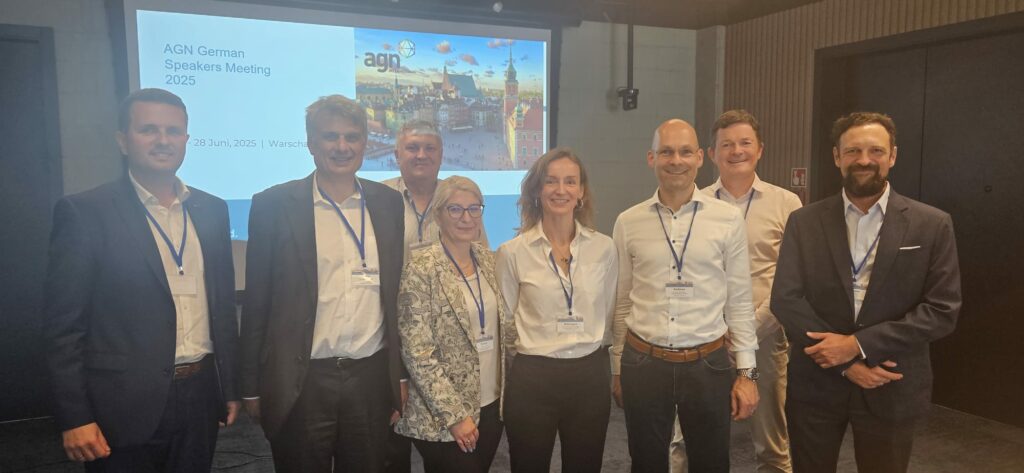
The meeting began on Thursday evening with a relaxed networking cruise along the Vistula River, offering attendees panoramic views of the Warsaw skyline in summer light. The friendly atmosphere was immediately evident, with many participants reconnecting after some time apart. The informal setting helped to ease into meaningful conversations and re-establish personal connections – a hallmark of AGN events.
Focused and Forward-Looking: The Technical Program
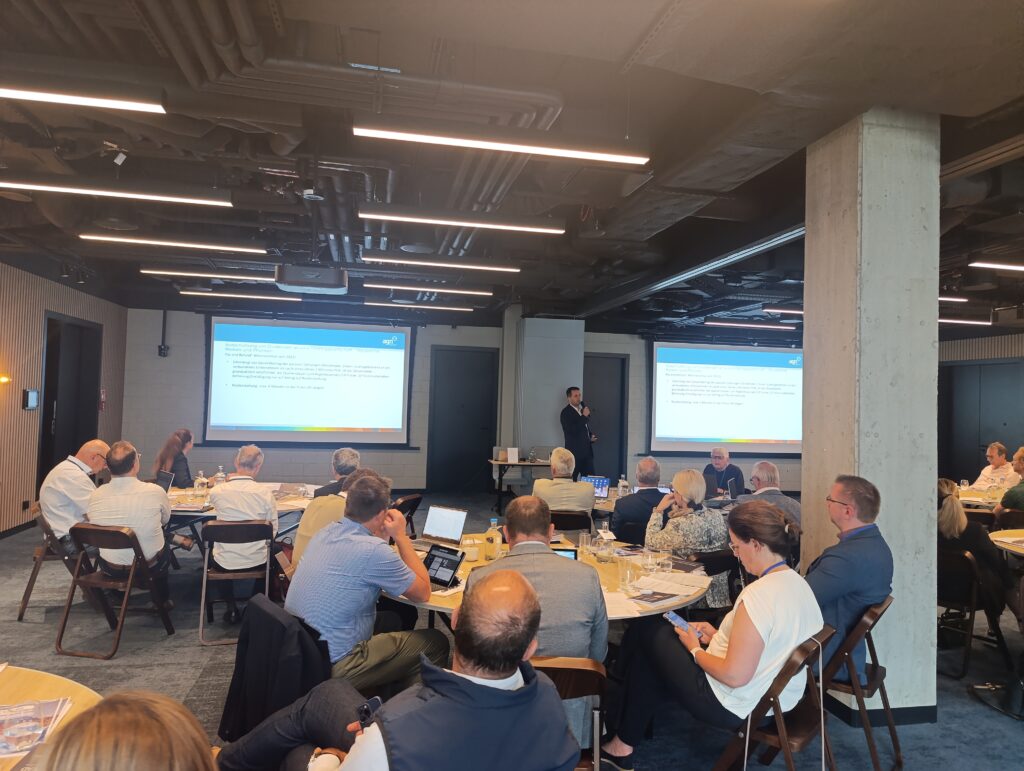
Friday featured a full day of technical sessions tailored to current challenges and opportunities in cross-border professional practice. Topics included:
- Insuring tax risk
- Exit tax regulations across EU jurisdictions
- The ESG Act: current legal status and implementation
- Setting up a subsidiary in Poland and comparative EU holding structures
- VAT treatment of e-commerce transactions and the legal framework for implementing VIDA
The day opened with a video address from AGN CEO Malcolm Ward, who provided a strategic update on the organisation’s global priorities and member initiatives.
A Cultural and Collaborative Experience
On Friday evening, attendees visited the historic Koneser Vodka Distillery, where they enjoyed a guided tour, tasting experience, and a short film produced by JRD Tax exclusively for the event. The program also included a talk on the Polish economy, a themed quiz, and a formal dinner at one of Warsaw’s top restaurants – an ideal setting for continued discussion and camaraderie.
On Saturday, those remaining took part in a guided tour of Warsaw’s Old Town, with time to explore its heritage sites and charming local streets. The cultural program added a deeper appreciation for the city and gave members more space to connect beyond the meeting room.
Shared Purpose and Lasting Value
The organisers extend their sincere thanks to all who participated, noting the high level of engagement, openness, and expertise shared across the weekend. The event reflected AGN’s ongoing commitment to building strong professional relationships, staying ahead of technical developments, and embracing the distinctiveness of its members.
Participant Reflections

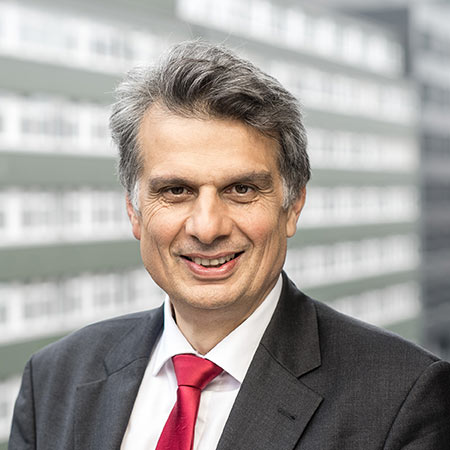
“Tomasz and his team at JRD did a great job hosting the German-speaking meeting of AGN in Warsaw. Great content, excellent speakers – and best of all, you felt the heart of the great people of Poland. It felt like home to me. Looking forward to our next exchange.”
— André Marius Le Prince, Partner, WLP GmbH, Hamburg





The post Press Release: JRD Hosts the 2025 AGN German-Speaking Meeting in Warsaw, Poland appeared first on AGN International.
]]>The post 2025 Excellent+NextGen in Mallorca Unites Generations and Embraces Digital Evolution appeared first on AGN International.
]]>Bridging Generations, Building Unity
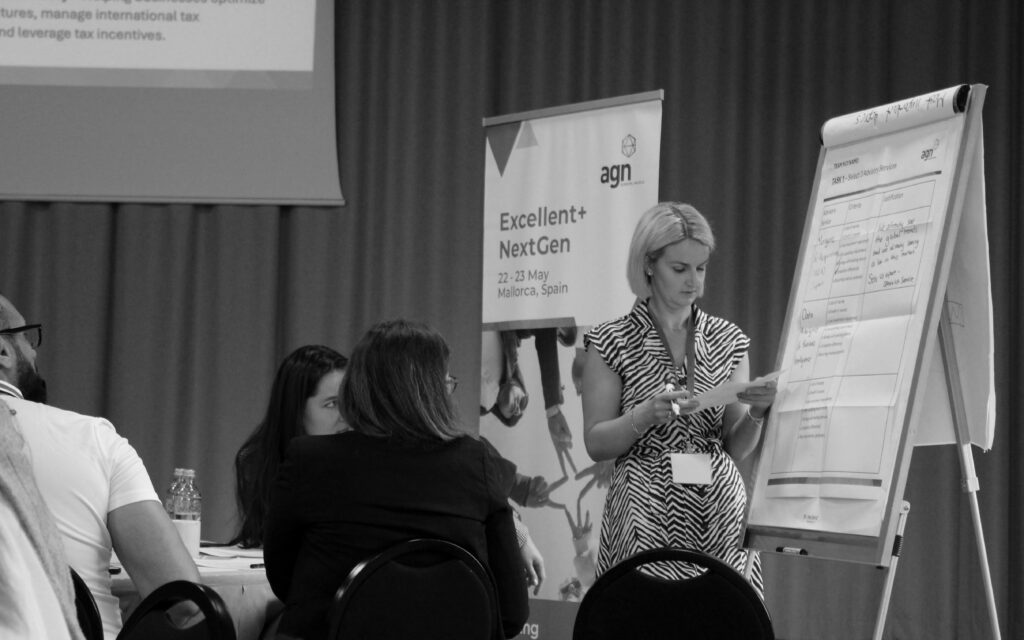
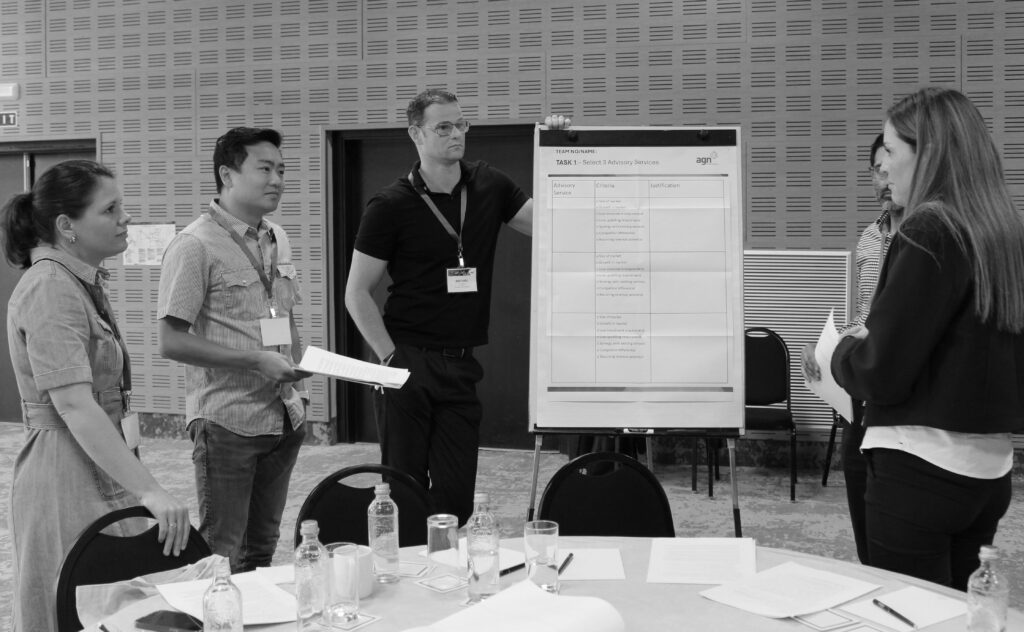
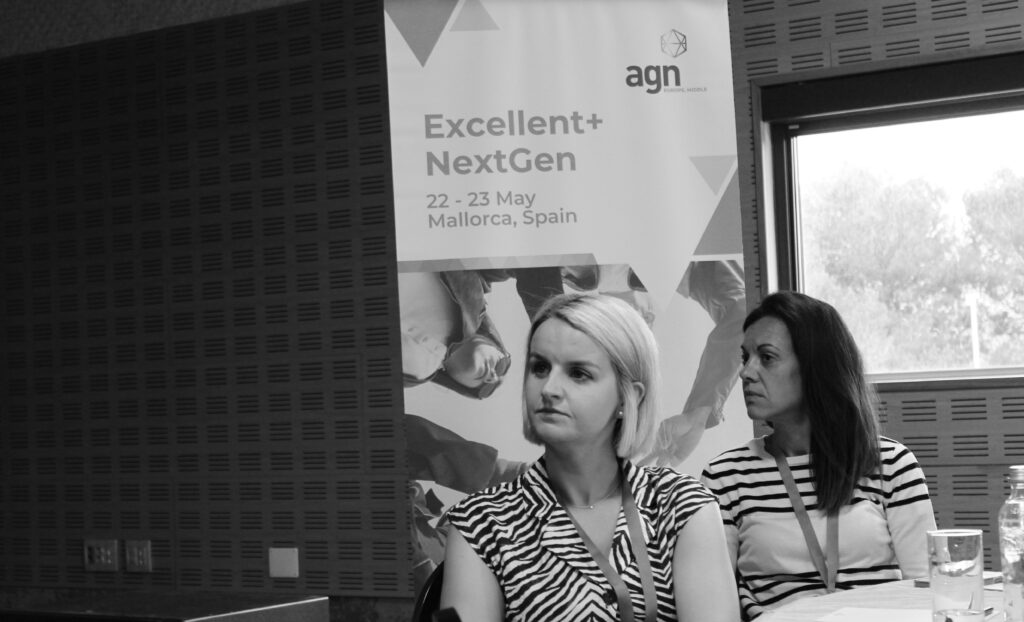
The 2025 Excellent+NextGen event launched with a standout intergenerational session, “Bridging the Generational Gap: How Can We Better Co-Exist?” This engaging workshop invited participants to examine—and laugh about—their generational quirks, from Gen Z’s digital-native instincts to Gen X’s just-get-on-with-it mindset. Through collaborative exercises, attendees uncovered ways to bridge generational divides and harness diverse perspectives for better team cohesion and stronger client service.
A lively evening activity and informal dinner provided time for deeper conversations among peers of all experience levels.
NextGen Track: Equipping Emerging Leaders
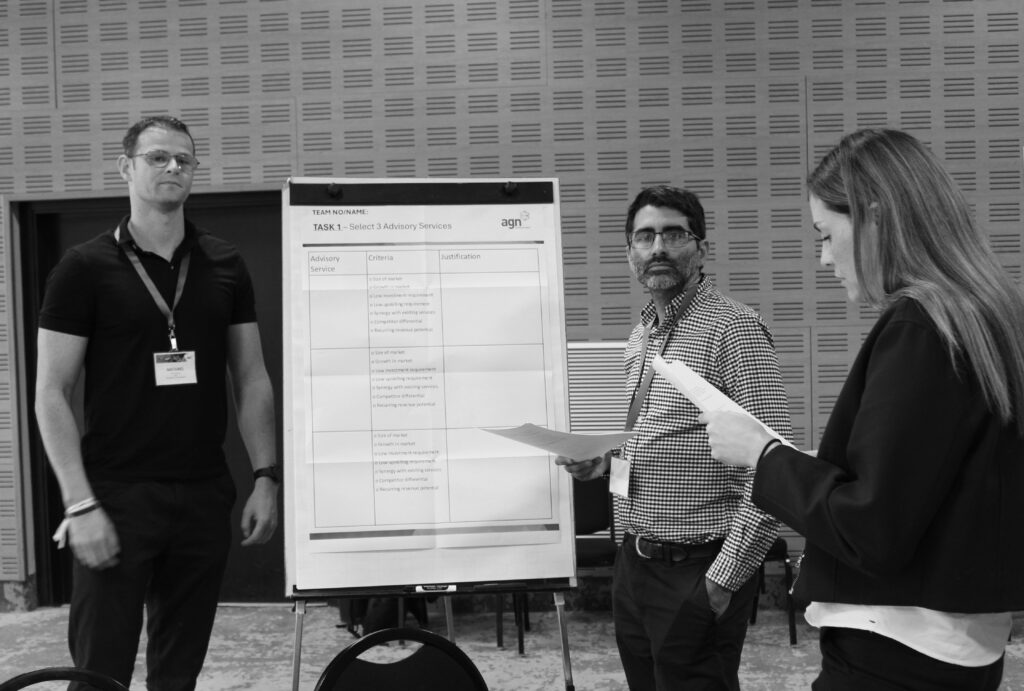
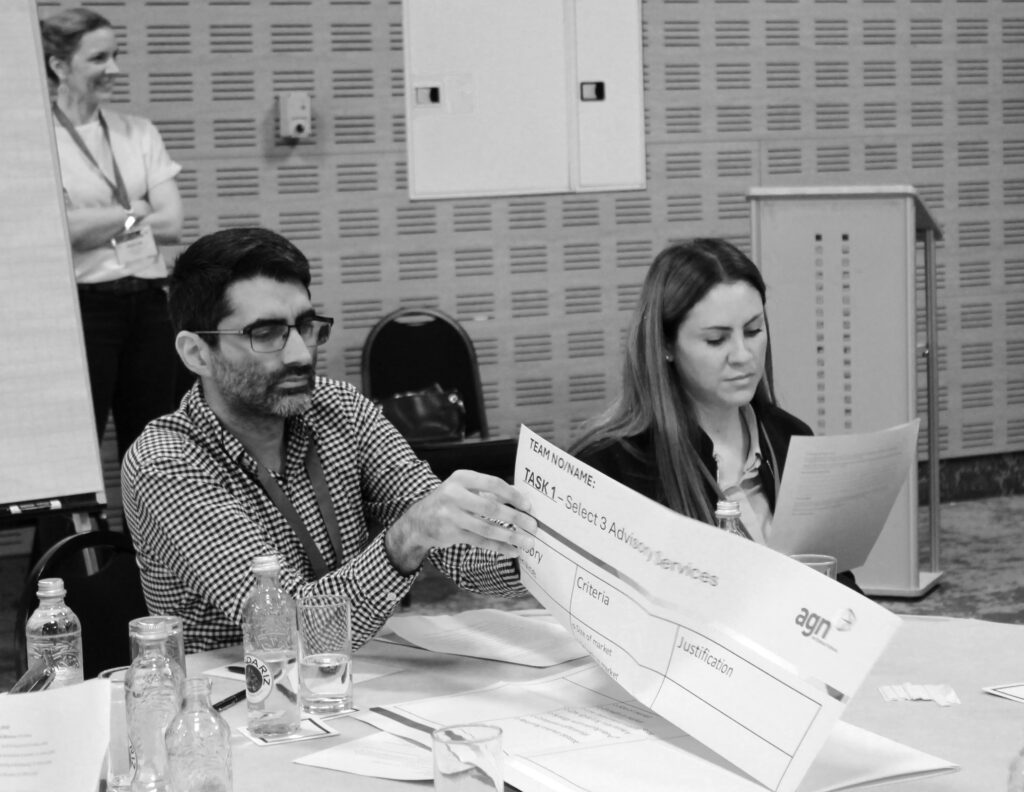
Friday’s NextGen Track began with a focused ESG Update, providing insights on the latest developments in sustainability reporting and regulation. Participants then dove into Advisory Development, analysing a strategic case study from the perspective of younger professionals and applying the Kotter change management framework to envision a future-ready firm.
In the afternoon, Elevating Digital Maturity encouraged NextGenners to assess their firm’s current digital standing and explore practical tools and strategies for technology adoption and innovation. The day concluded with a look at IT Audit and Financial Integrity, reinforcing the importance of strong digital governance across all service lines.

“The NextGen Track was really interactive—it gave us not just updates on ESG and tech trends, but a chance to apply real-world frameworks like Kotter’s to imagine how we can shape more agile and innovative firms. The sessions on digital maturity and IT governance were especially valuable in connecting strategy with practical action. The real discovery was learning the differences between what was important to our generation in comparison to our firm partners generation.”
Jasmin Weckerle, Tax Advisor, Wirtschaftstreuhand, Germany
Firm Leader Track: Strategic Vision for NowGen
Firm Partners followed a parallel Firm Leader Track, beginning with an AGN Update before delving into their own version of Elevating Digital Maturity. The session provided high-level strategic insight into how firms can strengthen their digital capabilities and remain competitive in an evolving market.
Later, during Advisory Development 2, Firm Leaders were briefed on the strategic decisions made by their NextGen counterparts earlier in the day. Using the same case study, NowGen teams tackled practical implementation challenges—finance, delivery, and change management—highlighting the value of intergenerational dialogue in shaping advisory success.
The track concluded with an ESG Update for NowGen, where leaders explored how emerging regulations will affect firm operations and client advisory.

“Focused topics, some considered to be the ‘elephant in the room’, such as generational issues addressed and navigated in practical rather than conceptual means to equip us delegates to navigate these issues .”
Steve Johnson, Head of Audit – Partner, RPGCC, UK
Andy Bewick, Partner at Ballards LLP commented, “I’ve really benefitted from relevant content, digital maturity, ESG and the interaction with NextGen from other EMEA firms has been a refreshing addition to the conference.”













The post 2025 Excellent+NextGen in Mallorca Unites Generations and Embraces Digital Evolution appeared first on AGN International.
]]>The post Sustainability Reporting – EU Commission Plans to Ease Requirements appeared first on AGN International.
]]>On 26 February 2025, the EU Commission published its proposals for simplifying and easing sustainability reporting requirements. This “Omnibus Initiative” aims to reduce reporting obligations for companies and make them more practical. Below, we have summarised the key proposals for you.
Planned Easing of Sustainability Reporting Requirements
- Narrowing the scope of reporting companies: In the future, only large companies with more than 1,000 employees will be required to report, provided they either have an annual turnover of at least €50 million or a balance sheet total of at least €25 million.
- Limiting information from the value chain: Companies subject to the Corporate Sustainability Reporting Directive (CSRD) will only be able to request limited information from companies in their value chain with fewer than 1,000 employees.
- Reducing data points by revising ESRS standards: A reduction in requirements under the European Sustainability Reporting Standards (ESRS) is intended to simplify reporting.
- No sector-specific standards: Contrary to previous plans, no specific standards for individual industries will be introduced.
- Postponement of reporting obligation: The initial reporting requirement will be postponed by two years, meaning that it will only become mandatory in 2028 for the 2027 financial year. However, this postponement does not apply to publicly traded companies.
Additional Easing Under the Taxonomy Regulation
- No reporting obligation for companies with fewer than 1,000 employees and less than €450 million in revenue (on a voluntary basis).
- Voluntary reporting for companies exceeding 1,000 employees but generating less than €450 million in revenue.
- Mandatory reporting for companies with more than 1,000 employees and more than €450 million in annual revenue.
Sustainability Remains a Key Topic
Despite these proposed easements, companies that have already begun implementing CSRD reporting should be aware that sustainability is not a niche topic and will continue to play a role in other areas, such as lending practices. Furthermore, insights gained through the double materiality analysis can be valuable for shaping long-term business strategies.
What Does This Mean for You?
Please note that these are currently just draft proposals. They should not be considered binding law, as they must first go through the EU legislative process and be published in the Official Journal before being transposed into national law by member states.
MTG Group are closely monitoring these developments. If you have any questions regarding sustainability reporting or need support, contact our experts who are happy to assist you.

Dr. Bernd Waffler
Wirtschaftsprüfer/Steuerberater
Partner
(+49 941) 208645-0
Bernd.Waffler@mtg-group.de

Michael Preißl
Wirtschaftsprüfer/Steuerberater
Associate Partner
(+49 941) 208645-0
Michael.Preissl@mtg-group.de
Contributed by:

MTG GROUP
Head Office:
Merianweg 3a
93051 Regensburg
GERMANY
Web: https://www.mtg-group.de
Email: info@mtg-group.de
Phone: (+49 941) 20 86 45 0
The post Sustainability Reporting – EU Commission Plans to Ease Requirements appeared first on AGN International.
]]>The post Beyond Compliance – Commercial ESG Service Opportunities appeared first on AGN International.
]]>Our latest Global Business Voice explores the primary non-audit, accountancy-related ESG services that small—to medium-sized accountancy firms can offer their SME clients, focusing on practical, strategic, and impactful services that go beyond regulatory compliance.
As Environmental, Social, and Governance (ESG) considerations increasingly shape business landscapes, small and medium-sized enterprises (SMEs) are beginning to recognise the importance of integrating ESG practices into their operations.
While much of the focus around ESG has been on compliance with regulatory standards, such as the EU’s Corporate Sustainability Reporting Directive (CSRD), a wealth of opportunities exist beyond mere compliance. This shift presents an ideal moment for small—to medium-sized accountancy firms to expand their service offerings and establish themselves as essential partners in their SME clients’ ESG journeys.
Take Action
| Create an ESG team of key stakeholders within your business. Set some practical objectives to identify the issues and timelines relevant to your client base and local regulatory environment. |
| Analyse your client base to identify those clients who are subject directly to CSRD (or its equivalent outside of the EU) and, perhaps even more importantly, those clients that are part of a larger supply chain which is likely to have near-term CSRD reporting implications for your client. |
| Devise a client communication plan, so when competitors get in touch (as they inevitably will) your clients know that you are on top of these issues |
| Have your ESG team brainstorm the commercial opportunities and threats, and create an outline business plan for consideration by your senior stakeholders. |
| Check out the AGN Global Business Voice ‘ESG Part I – Reducing Risks and Identifying Opportunities’ – which contains a detailed guide and checklist for establishing a firmwide ESG strategy. |
| Also, read the AGN Global Business Voice ‘ESG Part II: Engaging Your Team to Drive ESG’ – which contains details of a ‘free to workshop structure and materials to use when engaging staff in developing ESG strategy for the office. |
Phased Approach
This paper is a basic ‘heads-up’ – clearly carbon impact reporting, sustainability consulting and the broader spectrum of ESG service opportunities is a big field, but having said that, the table below will help you think about your own firm’s starting point. Start by considering three basic phases:
Phase 1
Start to build an awareness of how ESG is likely to impact your client base, and consequently the
challenges they will face. Take a sector approach as some will be impacted more than others. Begin discussions with your colleagues about your firm’s response, and consider internal awareness training on the likely issues.
Phase 2
Firms that have rapidly advanced in the ESG area have sometimes done so by joint venturing with
other specialist suppliers and ESG consultants. This has led to immediate cover for existing client requirement but also expanded the firms internal knowledge and cognisance of what they can supply themselves.
Phase 3
Armed with greater knowledge, consider the services you might develop in-house in the medium and longer terms, and create a plan. What are the profitable sectors, service areas and thus resource requirements? What’s the go-to market plan? What’s the training plan?
The table below highlights some information sources that are largely English language and centred
on major western commercial and professional bodies– but they are a starting point, and regional
variations will exist.
ESG Strategy and Business Integration Consulting
Why It Matters to Clients
ESG is more than a compliance
checkbox; it is a strategic approach that can drive long-term value.
SMEs are increasingly looking to align their business operations with sustainable practices.
An ESG strategy tailored
to the unique needs of an SME can improve market positioning, enhance brand reputation, and lead to cost savings through resource efficiency.
Your Advisory Role
Accountants can assist SMEs in
identifying relevant ESG factors
that impact their business. This
involves understanding the
client’s industry, stakeholder
expectations, and long-term goals.
Firms can then help develop a
comprehensive ESG strategy that
integrates these factors into the
business model. This includes
setting realistic goals, establishing
key performance indicators
(KPIs), and creating a roadmap for
implementation.
Sources
Sources of Information: Industry reports from organisations like the World Economic Forum (WEF) and
the United Nations Global Compact. Publications from the
Global Reporting Initiative (GRI) and the Sustainability
Accounting Standards Board (SASB). Research papers
from leading business schools such as Harvard Business
School and INSEAD.
Online Training: Courses from Coursera and edX on ESG
strategies and sustainable business practices. Webinars
and workshops hosted by the United Nations Global
Compact.
ICAEW Training: ICAEW’s “Corporate Sustainability
Reporting and Assurance” course.
Specialised webinars and events focused on ESG strategy
integration for accountants.
ACCA Training: ACCA’s “Sustainability Reporting” course,
which covers ESG strategy and reporting. ACCA’s global
conference sessions on integrating ESG into business
strategy.
Other Sources for Knowledge: Books like “The
Sustainability Handbook” by William R. Blackburn.
Membership in sustainability-focused networks such as the
Sustainability Accounting Standards Board (SASB) and the
Climate Disclosure Standards Board (CDSB).
Sustainability Measurement and Reporting
Why It Matters to Clients
Transparent communication about
ESG initiatives can build trust with
stakeholders, including customers,
investors, and employees. As stakeholders increasingly demand
accountability and transparency,
SMEs need to report on their ESG
performance effectively.
Your Advisory Role
Accountants can guide SMEs in
preparing sustainability reports
that align with recognised
frameworks such as the Global
Reporting Initiative (GRI) or
the Sustainability Accounting
Standards Board (SASB). These
reports should highlight the
SME’s commitment to ESG goals,
progress made, and future
plans.
Accountancy firms can
also help craft ESG narratives
for use in marketing materials,
investor relations, and internal
communications, ensuring
consistency and clarity.
Sources
Sources of Information: Reporting frameworks from
GRI, SASB, and the Integrated Reporting Council (IIRC).
Guides from the Task Force on Climate-related Financial
Disclosures (TCFD).
Online Training: GRI Academy offers courses specifically
on GRI Standards and sustainability reporting. LinkedIn
Learning courses on corporate sustainability reporting.
ICAEW Training: ICAEW’s “Sustainability Reporting and
Assurance” webinar series. Workshops on integrated
reporting and sustainability communication.
ACCA Training: ACCA’s “Certificate in Sustainability
Reporting” covers key aspects of ESG reporting. Seminars
on effective ESG communication strategies.
Other Sources for Knowledge: Sustainability reporting
guidelines from the Carbon Trust and CDP (formerly the
Carbon Disclosure Project). Industry-specific ESG reporting
guides from trade associations and NGOs.
Carbon Footprint Analysis and Reduction Planning
Why It Matters to Clients
With growing concerns about climate change, carbon footprint reduction is a critical component of ESG for many businesses. SMEs need to understand their carbon emissions and identify ways to reduce them, which can also
lead to cost savings and efficiency
gains.
Your Advisory Role
Accountants can perform detailed
carbon footprint analyses for their
SME clients, assessing emissions
from various sources, including
energy use, transportation, and
supply chain activities. Based on
this analysis, they can develop
actionable plans for reducing
carbon emissions, such as energy
efficiency measures, sustainable
sourcing, and waste reduction
strategies. Firms can also help
SMEs track progress over time and adjust their strategies as needed.
Sources
Sources of Information: Greenhouse Gas Protocol
standards and methodologies. Reports and tools from the Carbon Trust and the International Energy Agency (IEA).
Online Training: Coursera’s “Carbon Accounting and
Management” course. Carbon Trust’s webinars and online
tools for carbon footprinting.
ICAEW Training: ICAEW’s “Climate Change and Carbon Reporting” course. Training sessions on environmental reporting and carbon reduction.
ACCA Training: ACCA’s “Carbon Management” certificate course. Workshops on managing and reporting greenhouse gas emissions.
Other Sources for Knowledge: Resources from the Science Based Targets initiative (SBTi) for setting emissions reduction targets. Books like “Carbon Footprinting: A
Practical Guide” by Ian Jackson.
Supply Chain Sustainability Assessment
Why It Matters to Clients
The sustainability of an SME’s supply chain can significantly impact its overall ESG profile. Clients, investors, and regulators are increasingly scrutinising supply chains for ethical sourcing, labour practices, and environmental impact.
Your Advisory Role
Accountancy firms can help SMEs
evaluate their supply chains for
ESG risks and opportunities. This
includes assessing suppliers’
ESG practices, identifying high risk areas, and recommending
alternative suppliers or practices
that align better with ESG
standards. Firms can also assist
in developing supplier codes
of conduct and implementing
monitoring systems to ensure
compliance with these standards.
Sources
Sources of Information: Reports from the Sustainable Supply Chain Initiative (SSCI) and the Ethical Trading Initiative (ETI). Industry standards from organisations such
as ISO 20400 on sustainable procurement.
Online Training: LinkedIn Learning courses on sustainable
supply chain management. Online workshops from the Supply Chain Sustainability School.
ICAEW Training: ICAEW’s webinars on ethical sourcing and
supply chain risk management. Training modules on the integration of ESG into supply chain management.
ACCA Training: ACCA’s sessions on supply chain sustainability and ethical sourcing practices. Case studies and practical guidance on sustainable supply chain management.
Other Sources for Knowledge: Books like ”The Sustainable Supply Chain” by Mandy Cormack and “Greening the Supply Chain” by Joseph Sarkis. Resources from the Chartered Institute of Procurement & Supply (CIPS).
ESG Risk Management and Scenario Planning
Why It Matters to Clients
ESG risks, such as environmental disasters, social unrest, or governance failures, can have severe impacts on businesses. SMEs need to proactively manage these risks to ensure business continuity and protect their
reputation.
Your Advisory Role
Accountants can assist SMEs in
identifying potential ESG risks
specific to their business and
industry. This involves conducting
risk assessments and developing
risk management frameworks.
Firms can also help SMEs conduct
scenario planning exercises to
understand the potential impacts
of different ESG-related events
and develop strategies to mitigate
these risks.
Sources
Sources of Information: Risk management frameworks
from COSO and ISO 31000. Publications from the World
Resources Institute (WRI) and the United Nations Environment Programme (UNEP).
Online Training: Coursera’s “Enterprise Risk Management”
course, with ESG risk modules. Webinars from the Risk Management Society (RIMS) on integrating ESG into risk
management.
ICAEW Training: ICAEW’s “Risk Management and the Role
of Accountants” course. Specialised training on ESG risk
assessment and scenario planning.
ACCA Training: ACCA’s risk management courses with
ESG-specific content. Seminars on ESG-related risk identification and mitigation.
Other Sources for Knowledge: Books such as “Sustainable Risk Management: A Guide to ESG Integration for Risk Professionals”. Case studies and white papers from consulting firms like Deloitte and PwC on ESG risk management.
ESG Corporate Finance and Green Financing, Grants, etc.
Why It Matters to Clients
Access to finance is critical for the
growth and sustainability of SMEs.
Green finance options, such as green loans and sustainability-linked bonds, offer SMEs an opportunity to fund their ESG initiatives while potentially benefiting from lower interest rates.
Your Advisory Role
Accountants can assist SMEs in
understanding and accessing green finance options. This includes advising on the eligibility criteria for green finance, helping prepare the necessary documentation, and aligning the SME’s financial practices with the requirements of green finance providers.
Firms can also guide on how to use green finance effectively to achieve their
ESG goals.
Sources
Sources of Information: Reports from the Climate Bonds Initiative and the Green Finance Institute. Guidelines from the International Capital Market Association (ICMA) on green bonds.
Online Training: Online courses on green finance and investment from the United Nations Environment Programme Finance Initiative (UNEP FI). MOOCs on
sustainable finance from edX and Coursera.
ICAEW Training: ICAEW’s “Finance for Sustainability” course. Webinars on green finance instruments and market developments.
ACCA Training: ACCA’s “Certificate in Climate and Green Finance”. Workshops on sustainable finance and investment.
Other Sources for Knowledge: Books like “Green Finance
and Sustainability: Environmentally-Aware Business
Models and Technologies”. Resources and guidelines from
the Principles for Responsible Investment (PRI).
Governance Aspects of ESG
Why It Matters to Clients
Good governance is critical for ensuring that an SME operates
ethically, transparently, and in
compliance with applicable laws
and regulations.
Strong governance practices can help SMEs build trust with investors, customers, and other stakeholders, reduce risks, and
ensure long-term business success.
Your Advisory Role
- Assisting in the development of governance policies and procedures.
- Advising on the establishment of internal controls and risk
management practices. - Providing training and support for board members and management on governance best practices.
- Conducting governance
audits to identify areas for
improvement and ensure
compliance with governance
standards.
Sources
Sources of Information: OECD Guidelines on Corporate Governance: Offers comprehensive guidelines on
establishing effective governance frameworks. IFC Corporate Governance Resources: Provides tools and resources for improving governance practices within
organisations. The Institute of Directors (IoD): Publishes best practices, guidelines, and frameworks for corporate
governance.
Online Training: LinkedIn Learning: Courses on corporate
governance fundamentals, board responsibilities, and governance best practices. Harvard Business School Online: Offers courses on leadership and corporate governance, focusing on ethical decision-making and governance frameworks.
ICAEW Training: ICAEW’s “Corporate Governance for
Accountants” Course: Covers essential governance practices, roles of the board, and how to integrate ESG into governance frameworks. Webinars on Ethical Governance: Focused on implementing ethical governance practices and the role of accountants in promoting good governance.
ACCA Training: ACCA’s “Governance, Risk and Ethics”
Module: Part of the ACCA qualification, focusing on the
principles of governance and ethical decision-making. Seminars on ESG Governance: Focus on the role of governance in ESG and practical approaches for SMEs.
Other Sources for Knowledge: Books like “Corporate Governance and Accountability” by Jill Solomon, which provides insights into the theories and practices of
corporate governance. Resources from the International Corporate Governance Network (ICGN): Offers best practices, principles, and frameworks for improving
corporate governance globally.
Conclusion
The growing importance of ESG presents a significant opportunity for small to medium-sized accountancy firms to expand their service offerings and become trusted advisors to their SME clients. By focusing on strategic, non-audit ESG services such as strategy development, sustainability reporting, carbon footprint analysis, supply chain assessment, risk management, training, and green finance advisory, accountancy firms can help SMEs navigate the complexities of ESG while driving long-term value.
As the business environment continues to evolve, accountancy firms that proactively offer these services
will not only differentiate themselves in the market, but also play a vital role in shaping a sustainable future for their clients.
As ever, AGN members are at different stages of the ESG journey – some are very advanced, and it’s likely
that we have a member who is able to provide friendly and independent advice to you or your clients.
On top of this, AGN is increasingly galvanising a support strategy in this space. Your AGN Regional
Director can point you towards relevant share groups or specialists.
Click here to download the AGN GBV ESG Part III
Other AGN support material:
- AGN GBV ESG – Reducing Risks and Identifying Opportunities
- AGN GBV ESG Part II: Engaging Your Team to Drive ESG Strategy
- AGN GBV ESG for Private Equities and Their Portfolio Companies
- Member article: Navigating Growth – Strategies for Sustainable Growth
- Member article: ESG and Corporate Purpose – Conflict or Convergence?
- Member article: Implementing Sustainability in Professional Services Firms
For further information on this topic or anything relating to the AGN International Association of Accounting and Advisory Firms or to become an AGN member, please email your closest AGN Regional Director (see below) or go directly to www.agn.org.
Malcolm Ward
CEO AGN International
mward@agn.org
Jean Xu
AP Regional Manager
jxu@agn.org
Marlijn Lawson
EMEA Regional Director
mlawson@agn.org
Cindy Frey CPA, CGMA
Americas Regional Director
cfrey@agn.org
Copyright © 2025 AGN International Ltd. All rights reserved. No part of this publication may be reproduced, distributed, or transmitted by non-members without prior permission of AGN International Ltd.
The post Beyond Compliance – Commercial ESG Service Opportunities appeared first on AGN International.
]]>The post AGN 2024 North America West Coast Subregional Meeting Focuses on Change Management appeared first on AGN International.
]]>North America West Coast Subregional Meeting Highlights
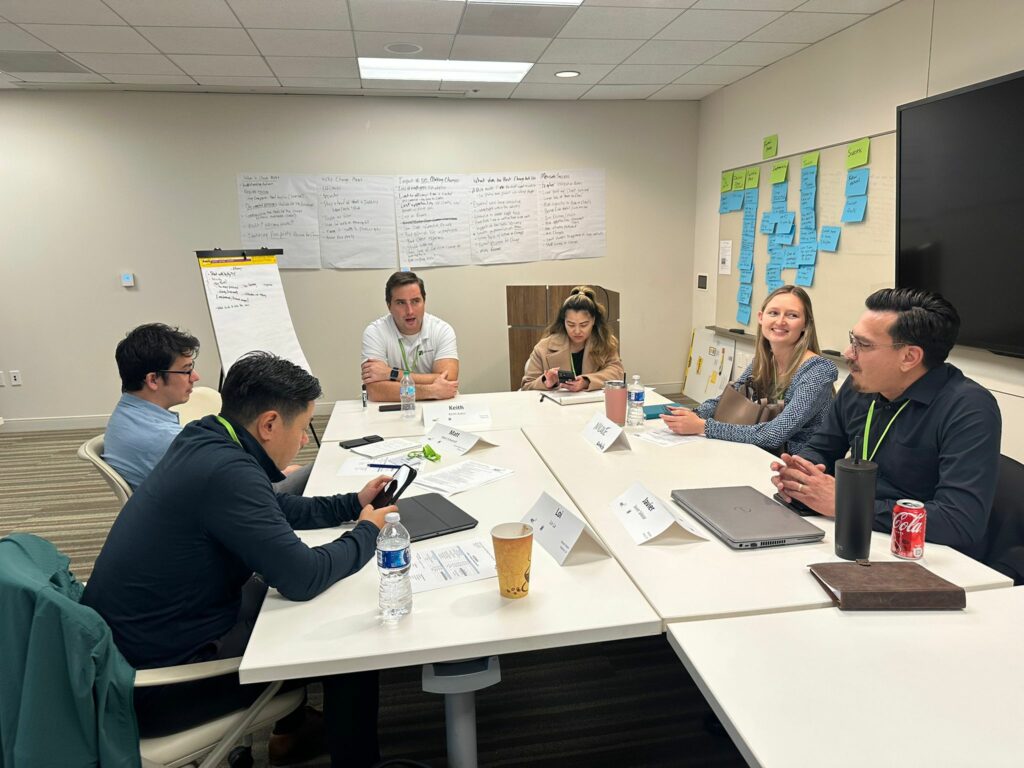
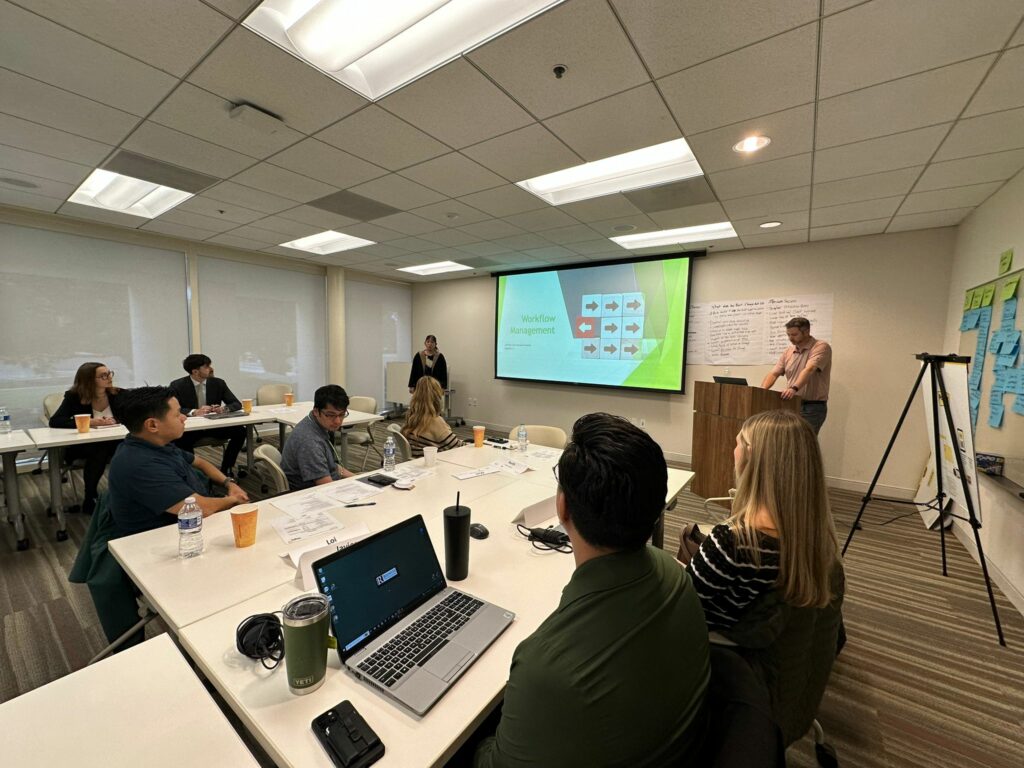
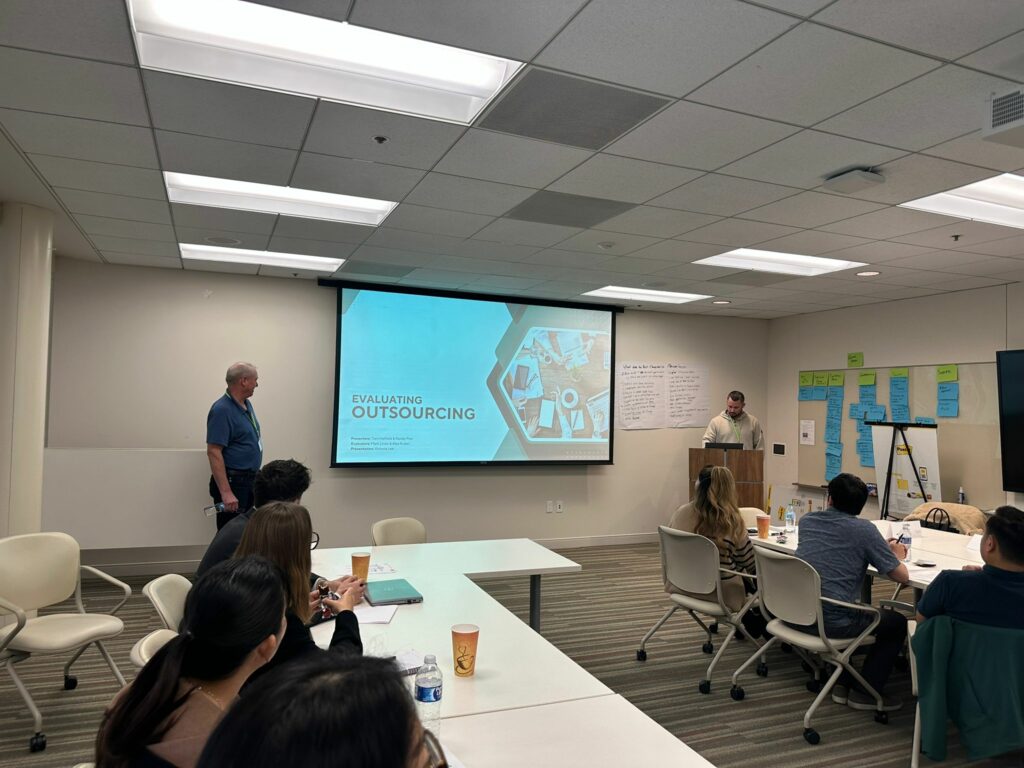
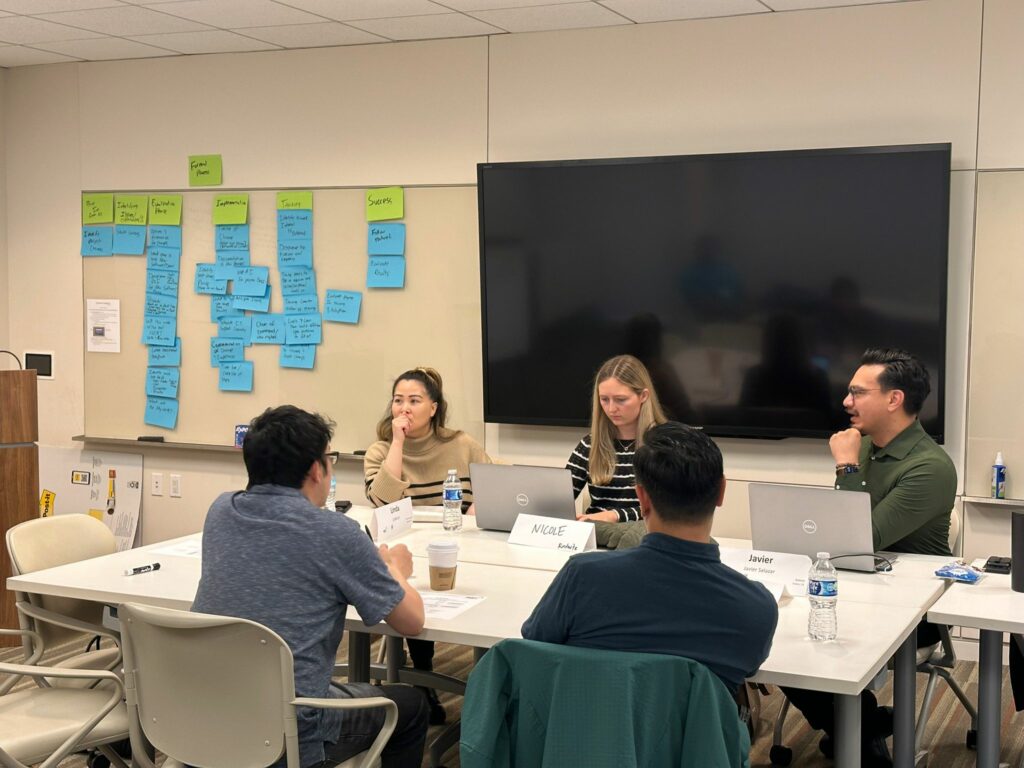
The meeting began with a warm welcome from Rob Redwitz, partner of host firm, Redwitz, followed by an orientation led by Lead Facilitator, Kevan Kirksey CPA, of Henry & Peters, P.C. Attendees shared updates from their firms, followed by focused breakout sessions addressing critical industry topics, including Outsourcing, Technology and AI, and Workflow Management. These sessions encouraged dynamic group discussions and problem-solving, providing actionable insights for participants.
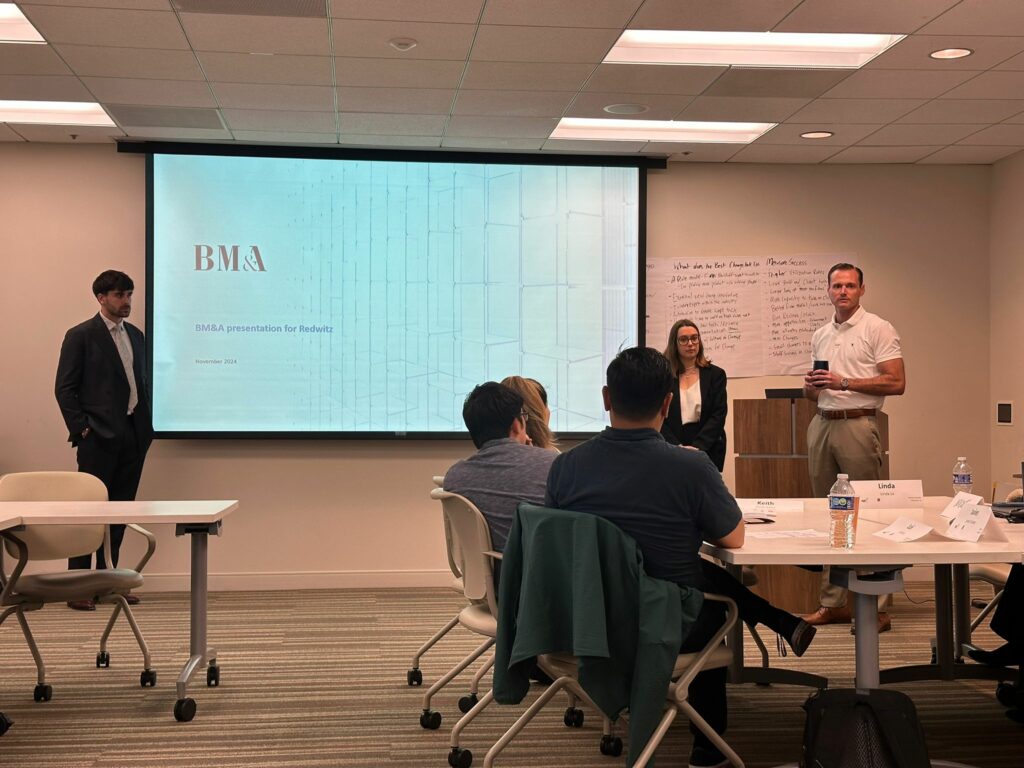
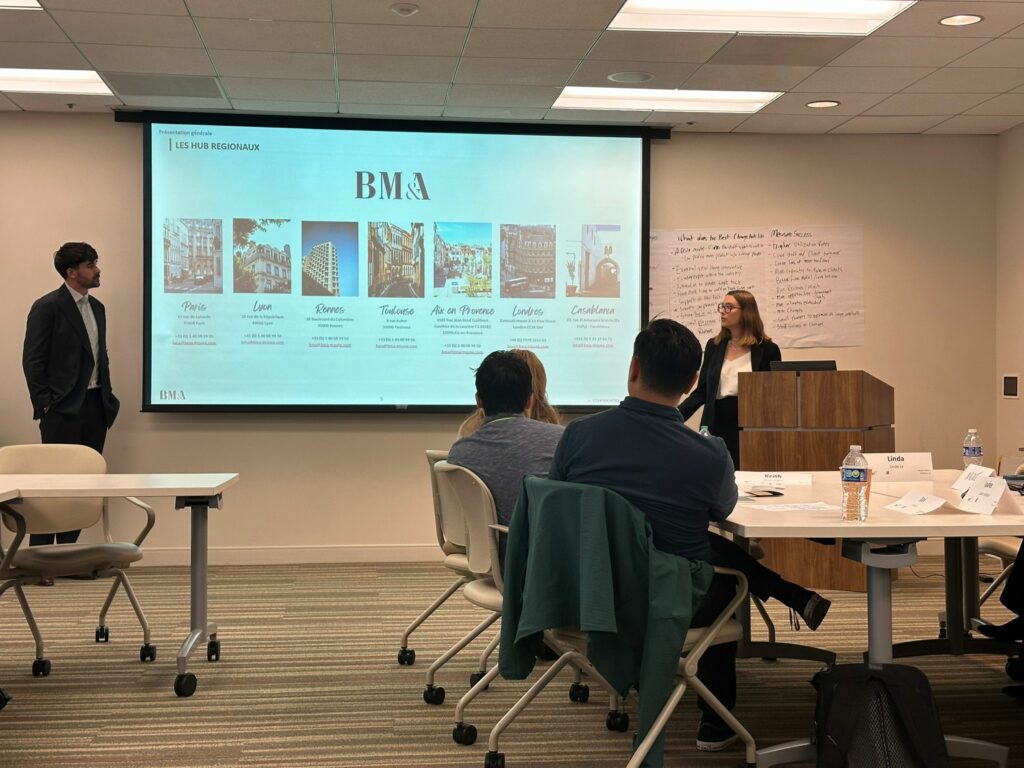
Adding to the agenda’s rich content, AGN member firm BM&A, headquartered in France, provided an overview of their services and introduced the AGN Talent Secondment Program (formerly the Staff Exchange Program). This forward-thinking initiative, actively implemented in collaboration between BM&A and Redwitz across borders, highlights AGN’s commitment to enhancing global connectivity and supporting professional development.
The agenda included an evening of bowling and dinner at Irvine Lanes, an opportunity for participants to make new connections and build existing relationships in a fun and friendly environment.
“The opportunity to meet face-to-face with peers from across the region and engage in meaningful discussions about shared challenges is invaluable,” said one attendee. “The structured breakout sessions and presentations gave us practical tools to bring back to our firms, while the social activities reinforced the sense of community that makes AGN unique.”
Victoria Lee, Director of Human Resources at Redwitz

AGN Member Agenda Focus
The meeting’s facilitated discussions aligned with the AGN Member Agenda, a framework designed to help firms build value through innovation, collaboration, and shared learning. Delegates explored strategies for navigating industry shifts and leveraging change as a growth opportunity, ensuring their firms remain competitive and forward-thinking.
Wrap-Up
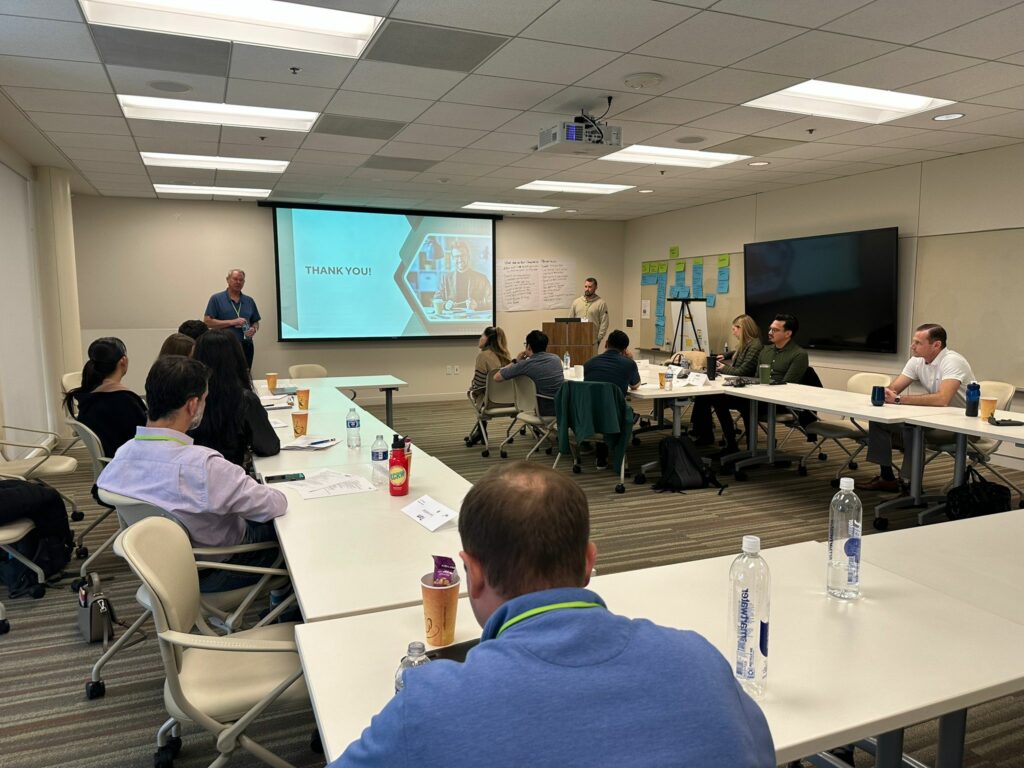
The event concluded with group presentations, allowing attendees to share insights and action plans developed during the breakout sessions. As the delegates returned to their respective firms, they carried with them new perspectives, strategies, and connections, all contributing to the broader success of the AGN association.
AGN International remains committed to supporting its member firms through events like the West Coast Subregional Meeting, empowering them to embrace change and thrive in an ever-evolving industry landscape.

The post AGN 2024 North America West Coast Subregional Meeting Focuses on Change Management appeared first on AGN International.
]]>The post AGN Impact Report 2024 appeared first on AGN International.
]]>As a leading international association, we empower firms worldwide to advance sustainability.
The AGN Impact Report highlights our commitment to accountability standards and responsible business practices within the global accounting community. Our focus on service evolution, technology, and talent development through the Member Agenda has been instrumental in helping members navigate today’s fast-changing business environment.
While recent reports suggest a slight easing of the situation, the shortage of talent is affecting business growth and operational efficiency, as highlighted by recent data indicating that 74% of businesses in this sector are experiencing a strain due to a lack of skilled workers. The sector is reported to be 22% understaffed, with an average lead time of four months to hire a suitable candidate. Furthermore, 39% of firms cite a lack of qualified candidates as a primary concern, while 31% highlight retention issues. (Source: Accountancy Today).
We celebrate our diverse membership spanning continents and cultures, united by a shared dedication to sustainability. Environmental, Social, and Governance (ESG) factors are key to long-term success in today’s evolving business landscape. Accountants are at the forefront, guiding businesses toward sustainable practices.
While we don’t mandate ESG policies, we provide the tools, resources, and education necessary for firms to integrate sustainability into their operations. We’re also mindful of our environmental footprint, especially regarding our global conferences, and are committed to minimising it through carbon offsetting, sustainable venues, and virtual attendance options.
Our association facilitates collaboration and knowledge-sharing among accountants, equipping them with the skills to lead in sustainable business practices. This report outlines our ongoing efforts to advance ESG principles, and while the journey continues, our focus remains on driving positive change and building a sustainable future for all.
Click here to download the full AGN Impact Report 2024
For further information on this topic or anything relating to the AGN International Association of Accounting and Advisory Firms or to become an AGN member, please email your closest AGN Regional Director (see below) or go directly to www.agn.org.
Malcolm Ward
CEO AGN International
mward@agn.org
Jean Xu
AP Regional Manager
jxu@agn.org
Mireia Rovira
CSA Regional Director
mrovira@agn.org
Marlijn Lawson
EMEA Regional Director
mlawson@agn.org
Cindy Frey CPA, CGMA
NA Regional Director
cfrey@agn.org
Copyright © 2024 AGN International Ltd. All rights reserved. No part of this publication may be reproduced, distributed, or transmitted by non-members without prior permission of AGN International Ltd
The post AGN Impact Report 2024 appeared first on AGN International.
]]>The post Press Release: Aeberli Treuhand AG Hosts Successful German-Speaking AGN Meeting in Zurich, Switzerland appeared first on AGN International.
]]>Welcoming AGN Friends and Colleagues to Zurich
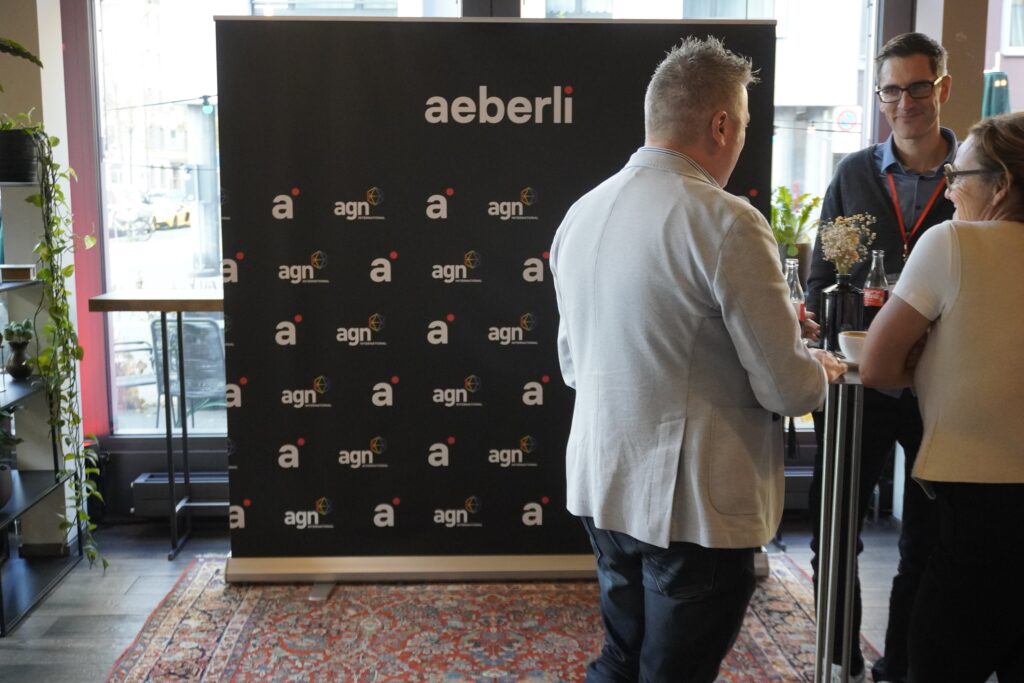
The event commenced on Thursday evening with a traditional Swiss aperitif at the AEBERLI LOUNGE, which had been thoughtfully transformed into a cozy Swiss Fondue Chalet. There, guests enjoyed authentic Swiss cheese fondue and other traditional dishes, setting the stage for a warm, familial atmosphere.

“We are proud that we were able to organize this year’s German-speaking AGN meeting. Our goal was to provide a personal, intimate setting where existing friendships could be strengthened, and new connections could flourish. We believe we succeeded and are already looking forward to seeing our friends again at the next meeting.”
Benjamin Block, Partner at Aeberli Treuhand AG.
A Robust Program with a Focus on Collaboration and Growth
The meeting on Friday offered participants a mix of professional workshops and engaging social activities. Highlights included:
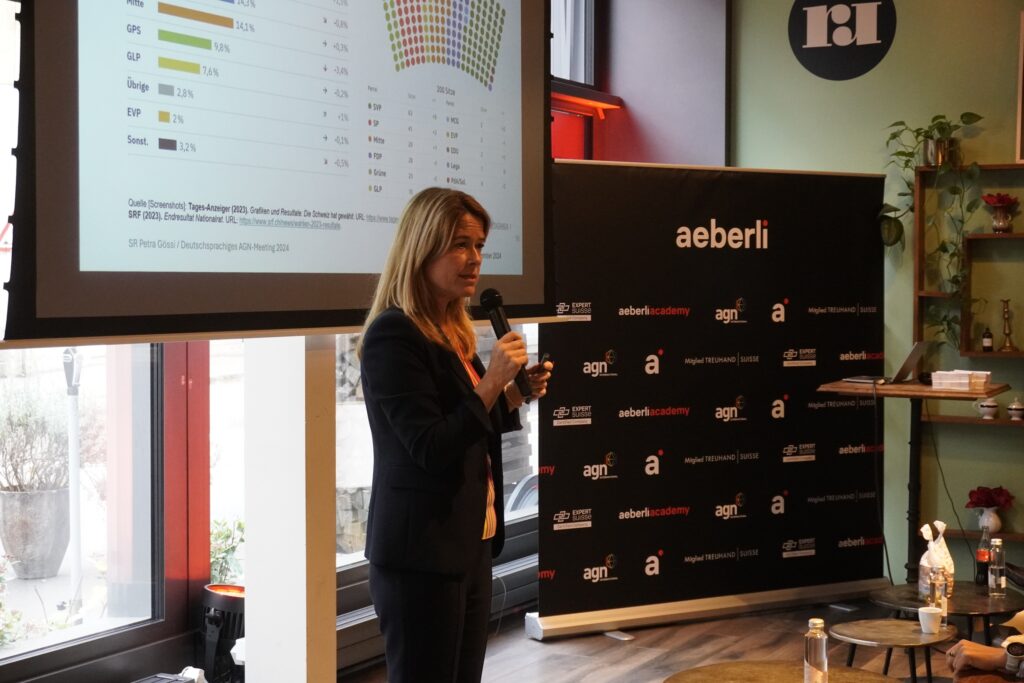
- “Introduction to Switzerland’s Political System and Economy,” presented by Swiss National Council member Petra Gössi, offering international guests valuable insight into the Swiss landscape.
- “Staff Retention: Going a Different Way,” using Aeberli Treuhand’s innovative approaches as a case study to inspire others in the industry.
- A session on artificial intelligence, providing practical examples and applications within the industry.
- Case study: Relocation, Tax implications of moving from Germany to Switzerland in both countries – extendable to other European countries.
- “Bringing Money to Switzerland,” a presentation by representatives from Zürcher Kantonalbank, the second-largest bank in Switzerland, explaining the processes and benefits for foreign clients.
- “The Liechtenstein Foundation,” which detailed how this structure operates and the advantages it offers to international clients.
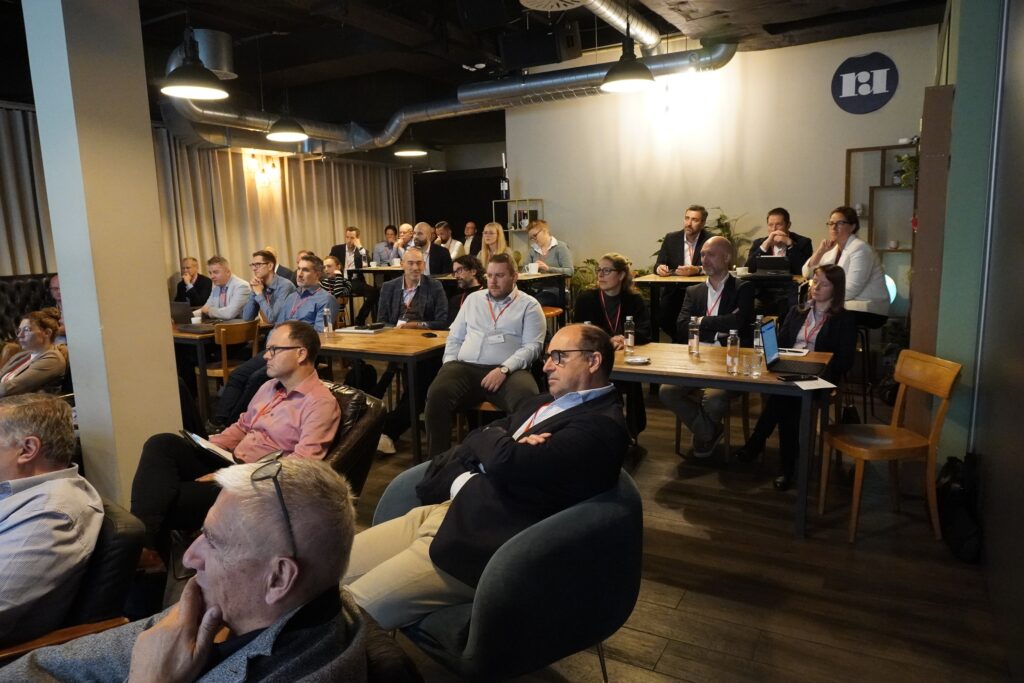
The day also included a short city tour, followed by an evening of Swiss cuisine and an after-party in the heart of Zurich, where participants continued their discussions in a relaxed and festive environment.
Andreas Weinberger from WirtschaftsTreuhand GmbH commented, “This year’s meeting brought a wonderful balance of professional insights and genuine camaraderie. Aeberli Treuhand’s hospitality and attention to detail truly made us feel at home, strengthening the collaborative spirit within our association.”
Chocolate course at Lindt
At the same time, the accompanying persons visited the famous Lindt chocolate factory. In addition to a tasty lunch, this also included a chocolate course where the participants were able to make their own chocolate creations.
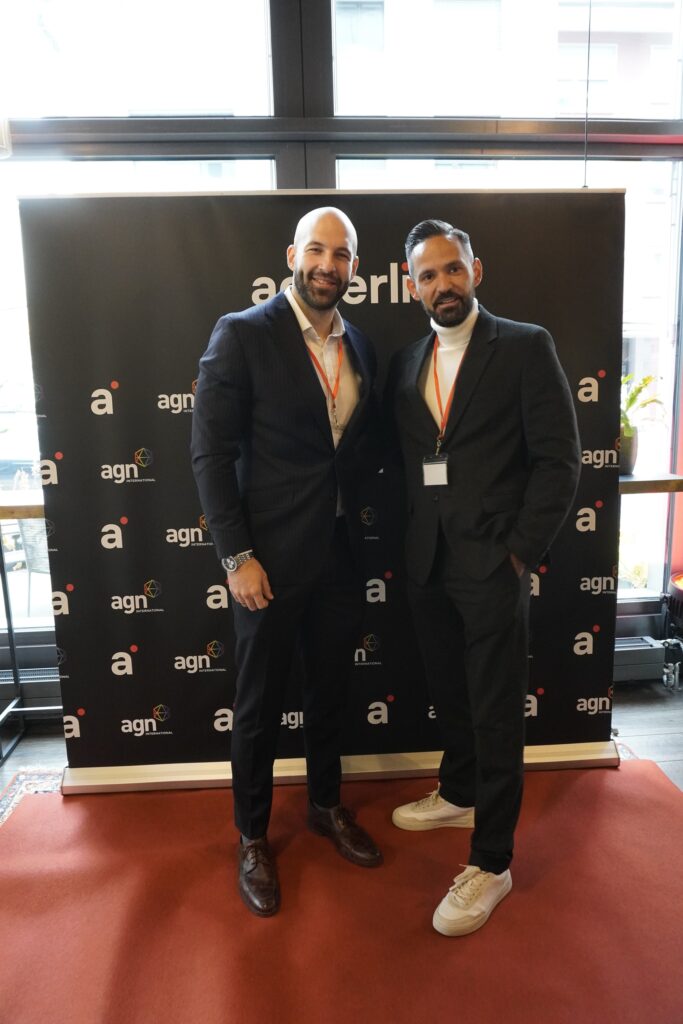
The German-speaking AGN meeting at Aeberli Treuhand AG stands as a testament to the power of professional community and shared experiences. The organizers, including Susanne Cilurzo and Feri Cilurzo, both of whom played key roles in orchestrating the event’s many facets, expressed gratitude for the enthusiastic participation and are already looking forward to the next gathering.






The post Press Release: Aeberli Treuhand AG Hosts Successful German-Speaking AGN Meeting in Zurich, Switzerland appeared first on AGN International.
]]>The post Managing ESG for Private Equities and Their Portfolio Companies appeared first on AGN International.
]]>AGN Global Business Voice: Practice Management
In the attached GBV, Jonathan Schneider, founder of AGN’s resource partner, Gardenia Technologies, dives into some of the challenges that ESG regulation is presenting to Private Equity houses and their portfolios of investments. The paper focuses on the carbon accounting challenge (of ESG Reporting) eg aggregating and presenting reliable Scope 1,2 and 3 data.
Introduction
It’s well a rehearsed argument that ESG reporting and compliance will eventually catch all companies even if they are not directly impacted by ESG regulation – as the global financial system of capital and equity funding is subject to the ESG rules and public pressure and preferences of investors. As Jonathan observes 70% of PE investment is now with companies that operate within ESG policies.
It’s clear that any client actively thinking about taking PE may well need to consider what the PE House might require of them for ESG and, in particular, carbon reporting.
Contact:
For further information on this topic or anything relating to the AGN International association of accounting and advisory firms, or to become an AGN member, please email your closest AGN Regional Director (see below) or go direct to www.agn.org.
Malcolm Ward
CEO AGN International
mward@agn.org
Jean Xu
AP Regional Manager
jxu@agn.org
Mireia Rovira
CSA Regional Director
mrovira@agn.org
Marlijn Lawson
EMEA Regional Director
mlawson@agn.org
Cindy Frey CPA, CGMA
NA Regional Director
cfrey@agn.org
Copyright © 2024 AGN International Ltd. All rights reserved. No part of this publication may be reproduced, distributed, or transmitted by non-members without prior permission of AGN International Ltd.
The post Managing ESG for Private Equities and Their Portfolio Companies appeared first on AGN International.
]]>The post ESG Part II: Engaging Your Team to Drive ESG Strategy appeared first on AGN International.
]]>AGN Global Business Voice: Practice Management
How might an ESG (Environment, Social and Governance) strategy enhance your staff engagement levels and help drive talent retention and recruitment? We detail a staff workshop methodology that any member can use to engage staff in developing internal ESG Policy.
ESG Strategy Introduction
Environmental, Social, and Governance (ESG) policy frameworks and standards are used by organisations to align their business model with the values of the partners, and in some cases to adhere to regulation, but also leverage the commercial, environmental and social opportunities such commitments might
deliver.

As trailed in ESG Part 1, AGN believes there is a valuable opportunity for firms to adopt a visible and distinctive position on ESG issues and drive immediate competitive differentiation and commercial benefits. A credible ESG strategy can turbocharge your firm’s appeal when:
Talent Recruitment
Recruiting younger talent who
tend to be more attuned to ESG
concerns. Meaningful work and social
responsibility are important factors
for Gen Y and Z in choosing a place to
work.
Talent Retention
Motivating and engaging with existing
talented team members who want
to have pride and confidence doing
meaningful work for an employer
who is making a visible social and
environmental contribution.
Work from Suppliers
Securing work from suppliers who are
required to perform to certain ESG
standards, and/or whose vendor supply
chains are increasingly under scrutiny
for their environmental impact.
Reputation and Brand Value
Building market reputation and brand
value – Commitment and responsibility
in ESG will grow the reputation of your
firm and could attract new clients as
well as increase the loyalty of existing
key customers.
In ESG Part I we used the well established ‘B Corp’ accreditation methodology to help structure our approach. But B-Corp is only one of the ESG accreditation bodies that could ‘certify’ your ESG strategy – there are others;

ESG Accreditation Bodies
A range of ESG accreditation bodies are available:
| B Corp Certification: B Corp certification is one of the most well-known ESG accreditation frameworks. B Corps are for-profit companies that meet high social and environmental performance standards. The certification is provided by B Lab and evaluates a company’s impact on its workers, customers, community, and environment. |
| Global Reporting Initiative (GRI): GRI provides guidelines for organisations to report on their economic, environmental, and social performance. GRI’s standards are used by many companies globally to disclose ESG information in their annual reports. |
| United Nations Global Compact (UNGC): The UNGC is a voluntary initiative for businesses to align their operations and strategies with ten universal principles in areas such as human rights, labour, environment, and anti-corruption. Organisations that join the UNGC commit to reporting on their progress toward these principles. |
| Sustainability Accounting Standards Board (SASB): SASB focuses on industry-specific ESG reporting standards. It provides guidelines for companies to disclose financially material sustainability information tailored to their industry. |
| Task Force on Climate-related Financial Disclosures (TCFD): The TCFD provides recommendations for disclosing climate-related financial information. It encourages organisations to report on the risks and opportunities associated with climate change in their financial filings. |
Competing ESG accreditation frameworks or standards may include sector-specific initiatives, regional standards, and various industryspecific ESG benchmarks. Some examples of these include:
| Carbon Disclosure Project (CDP): CDP is focused on measuring and disclosing environmental data, particularly carbon emissions and water usage. It is widely used by companies for climate-related reporting. |
| Dow Jones Sustainability Indices (DJSI): The DJSI evaluates the sustainability performance of leading global companies across various industries. It assesses ESG factors and recognizes companies that perform well in sustainability. |
| ISO 14001 and ISO 26000: These are international standards for environmental management and social responsibility, respectively. While not ESG accreditation frameworks per se, they provide guidelines and certification for organisations aiming to improve their environmental and social practices. |
| Equator Principles: These principles provide a framework for financial institutions to assess and manage environmental and social risk in project financing. They are often used by banks to assess the sustainability of projects they finance. |
It’s important to note that the ESG landscape is continually evolving, and new frameworks and standards may emerge over time. Additionally, companies may choose to adopt multiple frameworks to address various aspects of ESG performance and disclosure. The choice of framework often depends on your firm’s goals and aspirations – and to some extent on which accreditation body is likely to remain as a brand for the long term.

But there is another way…
If you are not convinced about the accreditation approach, it doesn’t seem to represent value for money, you can’t decide which one is likely to remain standing in some future shake-out of brands, or such a thing is simply overkill for your firm, then you could consider an alternative self-help approach.
The connection between ESG and Employer Branding
The most important brand in most people’s lives is not a consumer product or service, it’s the brand they work for – their employer brand. There are a range of things you can do to strengthen your employer brand’s appeal – making your firm more attractive to stay with either for existing employees but also to increase its appeal for potential employees.
An ESG policy can enhance an accounting firm’s employer brand in several ways.
Here is how:
- Signals Social Responsibility: Implementing an ESG policy signals to employees, and potential talent
that the firm wants to make a positive impact beyond financial results. - Reputation: A clear ESG policy can enhance the firm’s reputation among potential employees. It demonstrates that the firm is ethical, responsible, and forward-thinking.
- Differentiation: At least for a near term period the policy can help you stand out from competitors and serve as a unique selling point that attracts individuals.
- Sense of Purpose: An ESG policy can boost employee engagement by giving employees a sense of purpose in their work.
- Millenials and GenZ: Younger generations often prioritize working for organisations that align with their values and beliefs.
On the face of it this probably looks like a list of desirable qualities for any firm – and as with much associated with brand strategy can seem a little esoteric. However, the fact is that these employer brand facets are within reach through some hard work and commitment.
An ESG Strategy Staff Workshop
55 NextGenners, Rotterdam and an ESG Workshop Structure
At AGN’s Excellent Plus training event in Rotterdam in October 2023, we worked with a mixed group of 55 NextGenners, from member firms across EMEA to pilot a workshop methodology for creating a staff-led policy. The intention was to engage the group in road testing a prototype methodology that could then be rolled out to members as a useful ESG staff engagement tool.
The Workshop – outline approach
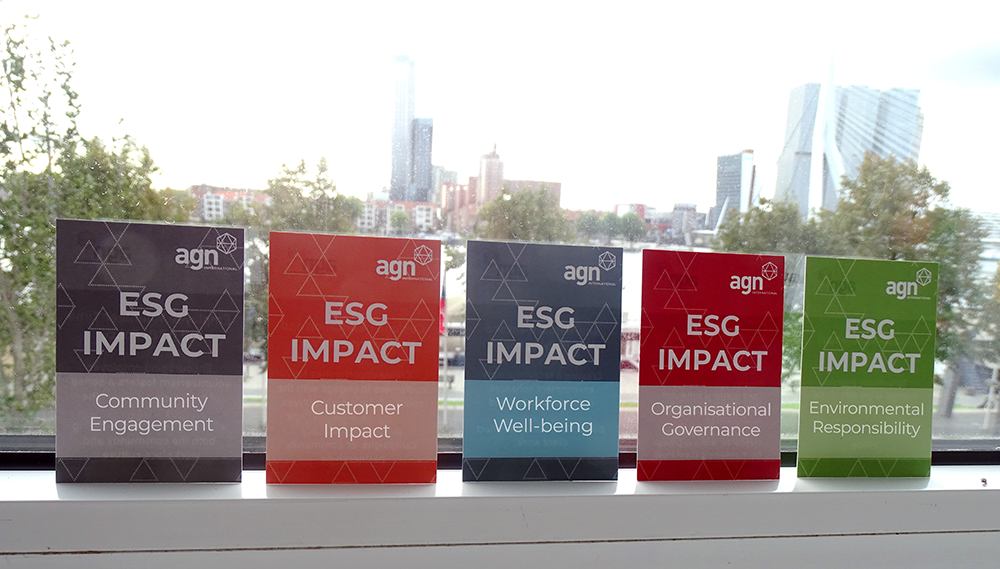
We pulled together an amalgam of headings and ESG categories drawn from a range of accreditation organisations such as B Corp, NetZero, GRI to create a model with 5 reconisable ESG Policy Categories that might apply to an accounting firm.
ESG Policy Categories:
- Organisational Governance
- Workforce Well-being
- Community Engagement
- Environmental Responsibility
- Customer Impact
Running this workshop with your staff, or key groups of staff could be a practicaland engaging way to boost your firms ESG efforts or launch an ESG policy development program.
ESG Workshop Outcomes:
- Engaged and motivated staff.
- A relatively detailed ESG policyframework that could be developed into a full strategy
- An understanding of what’simportant and motivating froma staff perspective.
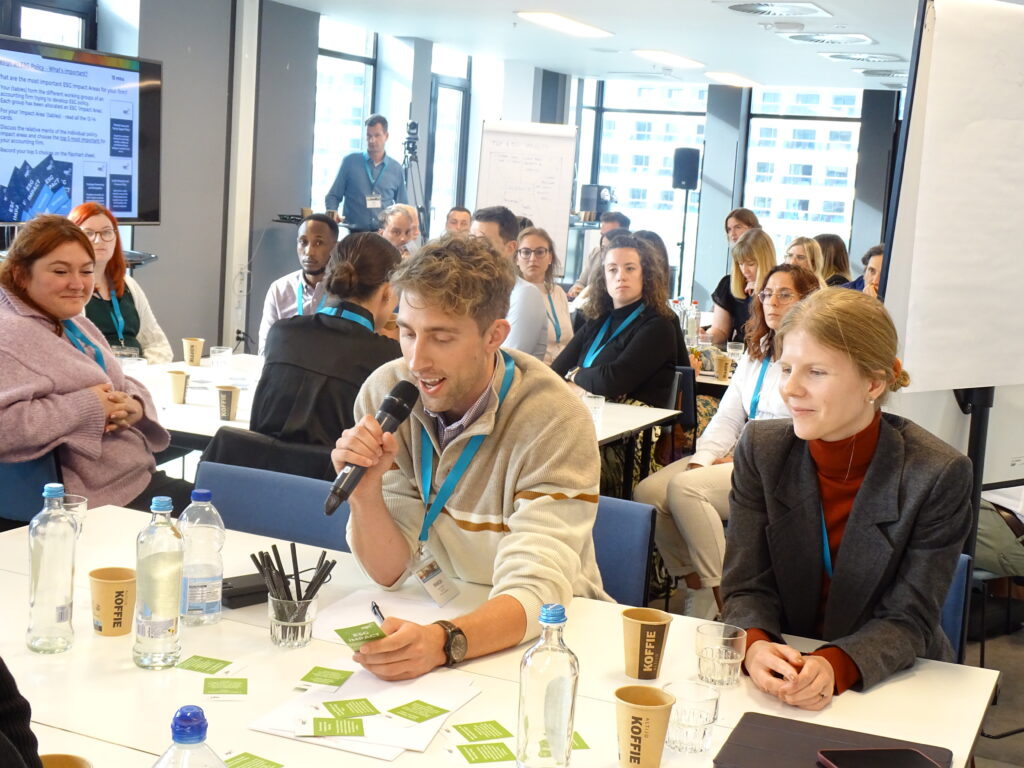
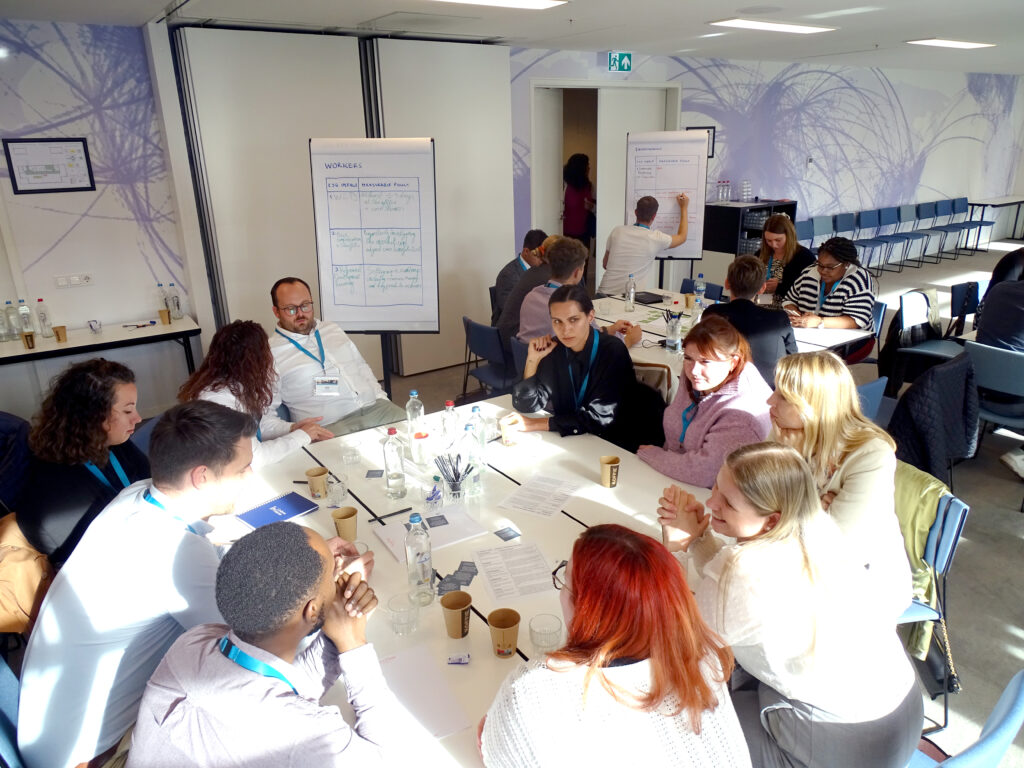
Running The Workshop With Your Staff
Stage 1 – Setting up and briefing
- Appoint a facilitator – senior partner or ambitious NextGenner.
- Organise a meeting room adequate to arrange staff into cabaret style layout.
- Give a brief background presentation (provided in our ESG workshop pack) about ESG, what it means, and examples of ESG policies. The presentation explains why it is a critical business issue, the commercial opportunity it represents, and how it needs to apply to firmwide policy and behaviour.
- The workshop facilitator organises the group into table teams of mixed discipline individuals. Each table should represent a Policy Area such as Organisational Governance, Workforce Well-being etc.
A series of flipcharts should be made available for each table. The first three pages of the flipcharts have standard feedback charts that teams are required to complete and talk to. The workshop session including a tea break should take (3-4 hrs). (flipchart templates are provided in the AGN pack).
Introduce a competition element to the workshop with 1st place table winners individually receiving, for example, the latest Amazon top selling management book, and second placed table members receiving bars of chocolate!
Stage 2 – Teams to consider the Policy Priorities that apply to their Policy Category – prioritise top 5 most relevant
- Each table are given the relevant deck of 15 Policy Priority cards for their teams designated Policy Category and asked to discuss the relative merits of each and determine a top 5 priorities that they would apply to the firm and to consider why.
- The facilitator explains that they should complete the first flipchart sheet, and that they will be asked to present their conclusions and rationale for their approach. Each table has to agree and nominate a presenter. (20 mins)
- The facilitator asks each table to present their results and rationale in turn. Asking questions about their chosen priorities, prompting them to be specific about their choices and challenging them over what they may have left out.
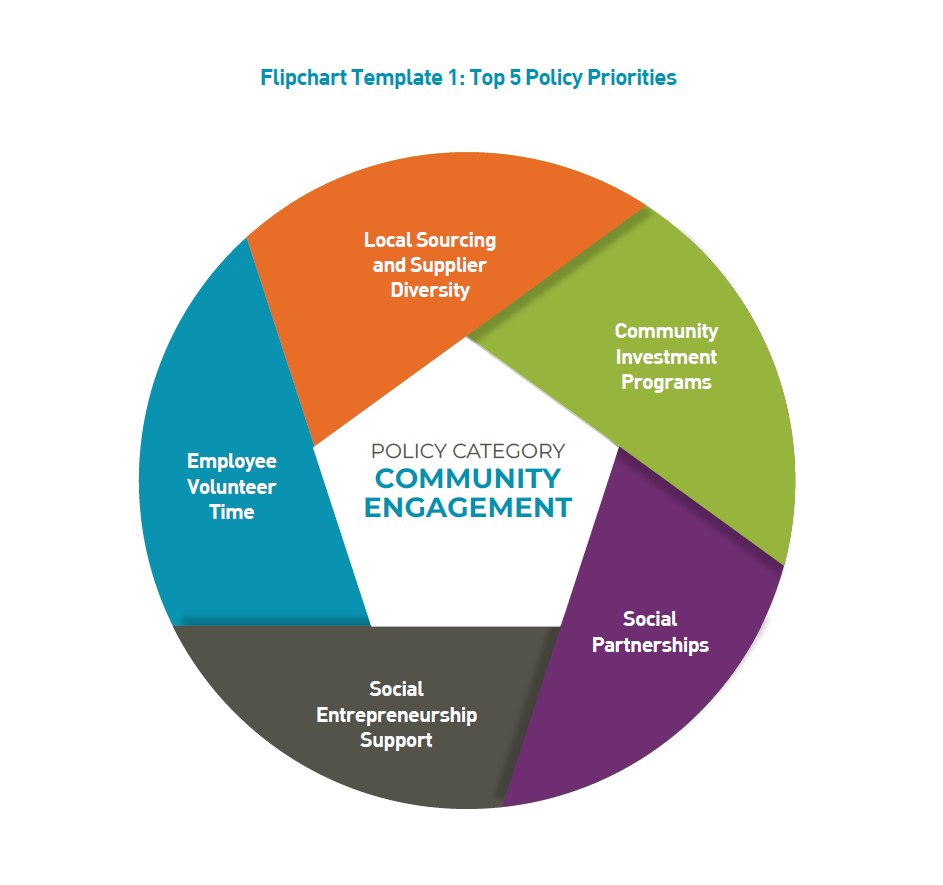
AGN Note: This process of prioritisation encourages the teams to consider and discuss the firm’s priorities, and as they are required to prioritise, they are forced to debate what is best for the firm.
Stage 3 – Due to limited time and resources the teams need to narrow down the 5 ‘Policy Priorities’ to 3
The table teams are now challenged to consider that in order to expedite the project, the firm really only needs a ‘simple plan’, and they were to now narrow down their choices to a top 3 Policy Priorities. There should now be table discussion and debate about which policy candidates must be dropped and which are the 3 top priorities. (20 mins)
Each table is asked to briefly present what they have decided and how they chose the policies that have been dropped, and to consider what impact this might have on the practice and its overall approach to ESG.
Flipchart Template 2: Top 3 Policy Priorities and Associated Policy Detail
| POLICY PRIORITIES CUSTOMER IMPACT | STATEMENTS MEASURABLE POLICY |
|---|---|
| 1. Customer Collaboration and Co-creation | – Annual survey to get clients´feedback and input on our company´s new and existing services. – Analyse the feedback and make realignments to clients’ expectations. |
| 2. Social Responsibility Promotions and Campaigns | – Initially we will host focus groups with our clients to better understand their perception. – Use of social media + marketing campaigns + return percentage of profits to chosen initiatives/ community. |
| 3. Customer Feedback and Complaint Resolution | – Use feedback data collected under 1 to assess customer satisfaction. – For complaints use g-mail signature. – We will follow-up on complaints. |
AGN Note: It’s down to an individual firm to determine how many policy priorities it should consider. Three new policies might be considered a reasonable amount per area as in total his could lead to 15 new firmwide policies to introduce – which is quite a project. Clearly policy priorities that have been dropped can be revisited in the future.
Stage 4 – Now you have the priority areas, policy category teams need to specify firmwide policy detail and statements
- The next challenge for the table teams is to design specific policy statements for each of their 3 Policy Priorities. The teams are reassured that these policy statements could appear in the firm’s “staff handbook” (or equivalent). The table teams can complete the second flipchart template for this exercise.
- To help stimulate the discussion and creation of the policies, the teams are given a handout containing a series of example policy statements across the range of policy categories. Teams need to be very clear what specific issue the policy is attempting to deal with, and the policy should be measurable and achievable. (25 mins)
- Each table presents back its policy ideas to the whole group, justifying their idea. With the help of the facilitator, the rest of the workshop delegates are encouraged to raise questions and give feedback about the policies. (30 mins)
HANDOUT – ESG IMPACT AREA
EXAMPLE FIRMWIDE POLICIES:
| ORGANISATIONAL GOVERNANCE | |
| Transparency and Accountability Policy | We commit to releasing an annual transparency report detailing our financial performance, corporate governance practices, and key decisions. We will aim for a 10% year-over-year increase in stakeholder satisfaction ratings based on surveys. |
| Technology and Data Security | We will conduct quarterly security audits and aim to achieve a 99% or higher compliance rate with industry cybersecurity standards. We will track and aim to reduce the number of data breaches by 20% each year. |
| WORKFORCE WELL-BEING | |
| Equal Employment Opportunity Policy | We will maintain an equal opportunity hiring ratio for all protected categories, aiming for a workforce that reflects the diversity of our local community. We will track and aim to reduce instances of discrimination or harassment to zero. |
| Diversity and Inclusion Policy | We will set specific diversity targets, aiming for a 15% increase in diverse hires and promotions annually. |
| ENVIRONMENTAL RESPONSIBILITY | |
| Carbon Footprint Reduction Policy | We will track energy consumption and waste generation, aiming for a 15% reduction in both over the next three years. |
| Waste Reduction and Recycling Policy | We will track the percentage of waste recycled and set a goal to increase it by 5% annually. Additionally, we will aim to reduce single-use plastics by 20% each year. |
| COMMUNITY ENGAGEMENT | |
| Local Sourcing and Supplier Diversity | We will increase our spending with local suppliers by 10% annually. We will aim to have at least 15% of our suppliers categorized as diverse-owned businesses within the next two years. |
| Employee Volunteer Time Off (VTO) Policy | We will track employee participation in volunteer activities and aim for a 10% increase in volunteer hours each year and survey employees to ensure that 90% feel supported in their volunteer efforts. |
| CUSTOMER IMPACT | |
| Responsible Pricing and Fair Value Policy | We will conduct pricing reviews annually and aim to maintain a competitive pricing structure while achieving a 95% client satisfaction rating regarding our pricing transparency and fairness. |
| Accessibility and Inclusivity Policy | We will conduct accessibility audits of our facilities and digital resources, aiming for a 100% compliance rate with accessibility standards within the next year. Additionally, we will track and aim to eliminate barriers reported by employees and clients. |
AGN Note: The teams should be given guidance that each of the policies could potentially apply to their firm, their colleagues, clients and suppliers.
Make the point that all policies will be submitted to the management team for final agreement and review – but that it’s quite likely that the policy will be adopted in some form and that those present might be asked to help implement the policy within the business.
Stage 5 – Making change happen – considering the practical difficulties and barriers to change
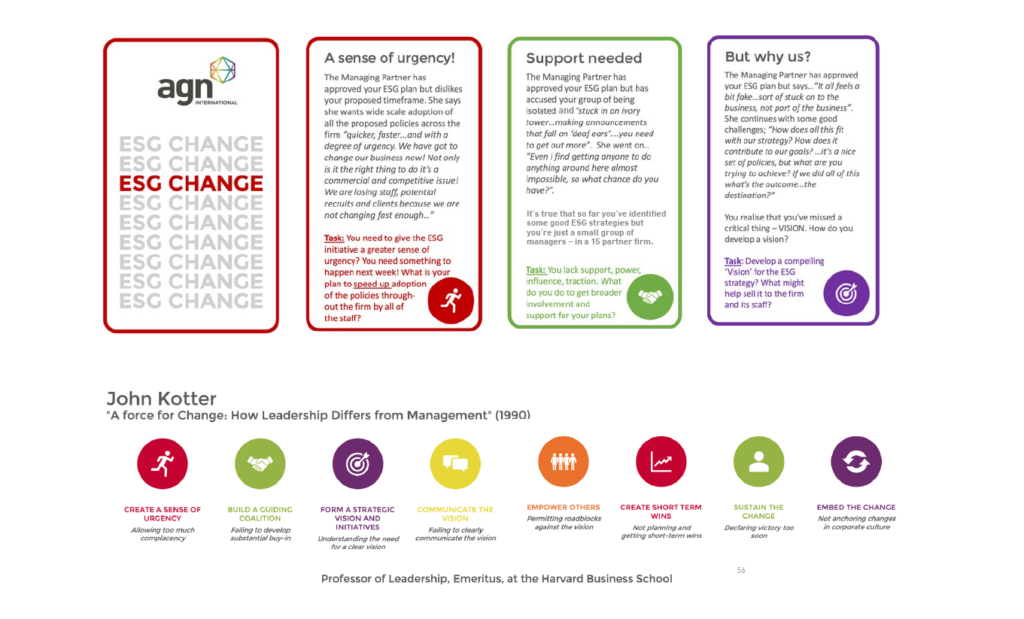
Until this point the workshop has been about understanding ESG, the potential it offers and then applying it to your own firm’s internal corporate policy environment. Its possible to conclude the workshop at this point, but in Rotterdam we went further. We went on to examine some of the practical obstacles and challenges that often trip up policy implementation in an exercise that uses the John Kotter change model to broaden staff’s understanding of how difficult change can be in a small to medium sized accounting firm.
At this time, the facilitator runs a plenary session using a set of ppt slides that illustrate the common difficulties of making successful organisational change actually happen. The presentation also introduces the Kotter change model. (this ppt deck is included in the workshop pack). (20 min inc discussion)
The stage 5 exercise involves handing out 5 large ‘ESG Change’ cards, one to each table team. Each card presents a unique change to the team that they have to consider and respond to with a plan (using the third flip chart template) The ESG Change cards highlight 5 of the 8 Kotter principles above. (examples below – the cards are included in the workshop pack). (20 mins table discussion – 20 mins feedback)
Example ESG Change cards
Stage 6 – Wrap-up and prize giving
If all has gone to plan and you’ve followed this guide accurately, you should now have a series of ESG policy ideas in priority areas that tackle the main tenets of ESG – an effective outline strategy. The facilitator needs to spend 15 mins circulating back to the process they’ve just been through highlighting some of the ideas and suggested developments that have come from the exercise, emphasizing how positive the exercise has been. The facilitator needs to ensure the following:
- Someone needs to take responsibility for collecting and collating the flipchart sheets into a word report that can be circulated.
- Promise that all of the policy ideas will be reviewed and as far as is practically possible will be enacted upon and embedded into firmwide policy and strategy.
- Highlight the need for volunteers to assist with detailed development and implementation of the strategy.
- Set a date for this group to reconvene and review what has come from the workshop.
You now have a body of staff that are engaged and motivated around this subject – they will be keen to remain involved and to ensure that this doesn’t become a ‘one-off’ initiative that doesn’t go anywhere. They will expect to see change and their ideas come to life.
Prizes can be a nice touch – nothing expensive just a token. In Rotterdam we gave a copy of a leading management book to each on the winning table and chocolates for the runners up. The group also took part in refreshments and informal reflections on how the afternoon had gone – ideas generated.
Conclusion
For most small and medium-sized organisations, ESG timing and eventual form of regulation is uncertain, but right now, ESG offers near-term commercial opportunities to drive value by creating a differentiated competitive position.
An effective approach to ESG requires a major organisational commitment at both strategic and operational levels, alongside a thorough change management process. But businesses that are late adopters not only risk failing to capitalise on the opportunity, but also could be placing their longer-term performance in jeopardy.
The connection between Environmental, Social, and Governance (ESG) principles and employer brand is crucial in today’s accounting employment landscape. Integrating ESG values into a firm’s ethos enhances its reputation as a socially responsible employer, attracting top talent and fostering employee loyalty. A strong commitment to ESG demonstrates a firm’s dedication to sustainability, diversity, and ethical practices, aligning with the values of modern job seekers.
Moreover, employees increasingly seek purpose-driven workplaces where they can contribute to positive societal impact. By prioritizing ESG initiatives, companies not only enhance their employer brand but also create a more engaged workforce dedicated to driving sustainable growth and social change.
Note: Please download the publication to access the AGN ESG workshop pack.
Contact:
For further information on this topic, workshop packs or anything relating to the AGN International association of accounting and advisory firms, or to become an AGN member, please email your closest AGN Regional Director (see below) or go direct to www.agn.org.
Malcolm Ward
CEO AGN International
mward@agn.org
Jean Xu
AP Regional Manager
jxu@agn.org
Mireia Rovira
CSA Regional Director
mrovira@agn.org
Marlijn Lawson
EMEA Regional Director
mlawson@agn.org
Cindy Frey CPA, CGMA
NA Regional Director
cfrey@agn.org
Copyright © 2024 AGN International Ltd. All rights reserved. No part of this publication may be reproduced, distributed, or transmitted by non-members without prior permission of AGN International Ltd.
The post ESG Part II: Engaging Your Team to Drive ESG Strategy appeared first on AGN International.
]]>The post ESG and Corporate Purpose – Conflict or Convergence? appeared first on AGN International.
]]>Climate change is happening now! With the extreme weather events of recent years, it has surely become impossible to deny that human activity is having an adverse effect on our planet’s ecosystems.
Wherever you look in the world, we are all being impacted by our changing environment – just speak to local farmers and you’ll soon understand the extent of the concern they have for a successful harvest this year. It won’t surprise you to learn that the winter of 2023/24 was the wettest on record in Coventry (according to the Bablake weather station).
What does ESG mean for your business today?
What does this have to do with businesses I hear you say? Well, all businesses exist for a common purpose and that is to make money. But this statement has become incredibly simplistic. This is because businesses must also have regard to their impact on their stakeholders, meaning their employees, customers, suppliers and their environment, as well as their shareholders. If the purpose of the business is to make money at the expense of all else, it will soon wither and die in this internet dominated age because it will rapidly become unpopular with one or more groups of its stakeholders. This means that all businesses must now be acutely aware of their impact on the environment – whether local or further afield.
ESG (Environmental, Social and Governance) has risen to prominence in recent years as a means of setting the standards by which businesses should be held to account. The three aspects of ESG taken together guide businesses on how they should act to create a sustainable future, not just for the business itself, but for all of its stakeholders too.
ESG measurement and reporting is in its infancy, but already leaders of large organisations are pointing to ESG goals when discussing purpose and are actively pursuing the ideal balance between profit initiatives and impact on stakeholders.
Coventry & Warwickshire First’s ESG roundtable discussion
In April 2024, Martin Gibbs and I attended Coventry & Warwickshire First’s ESG roundtable discussion led by Gary Adlen of Carbon Happy World. One of the standout quotes from the evening was that:
“We are at a VHS/Betamax moment in terms of the standards and regulations being laid down by the many different ESG oversight organisations – we don’t know which way it is going to go, but we have to get moving anyway.“ – Gary Adlen of Carbon Happy World
“In this scenario, trust is critical – we have to take action and trust that we will be fairly judged as long as we try to do the right thing and, importantly, trust that those around us will uphold their end of the bargain too”.
Who cares wins
Between 2004 and 2020, based on internet search history, there was limited interest in ESG. Since April 2020 a small increase in interest has morphed into a cacophony of noise where everyone seems to be talking about it (or is that just my perspective?). The impact on business of this sea change in public sentiment is encapsulated by the title of the United Nations Global Compact Report – Who Cares Wins (which, incidentally, is where the term “ESG” first appeared way back in 2004).
The trickle down of ESG to SMEs
The common refrain you might hear is “ESG doesn’t apply to SMEs, does it?”. Well, from a regulatory point of view, that’s still true, but the trickle-down effect from large organisations is already starting to bite. And that’s before you even start to think about the moral argument.
For many SMEs there will be increasing pressure from large customers for their ESG standards to be consistent with the requirements being placed on big businesses. ESG measurement will take into account the carbon footprint of the downstream supply chain, as well as the direct impact of a business’ own actions. As such, SMEs supplying into large organisations are soon going to find themselves out of business if they can’t meet the exacting ESG requirements of their customers. Surveys suggest UK SMEs are lagging behind in this respect, but we have the skills to catch up quickly.
At the smaller end of small business, over 75% of firms have no plans to implement ESG practices in the near future, citing either staffing or cost as barriers, or a perception that it is hard to commit to the standards. This sense of inaccessibility to smaller businesses makes real benefits blurred to many.
This point was echoed by Gary Adlen, our guest speaker at the CWF roundtable dinner, who commented:
“There is a sense of pushing away, it’s the planet’s problem, not yet a deep enough understanding, not our problem”; and regarding small business adoption “until the threat of losing business lands, behaviours will be slow to change”. – Gary Adlen of Carbon Happy World
But this is missing the bigger picture. In this inter-connected world, it is impossible to hide any longer, so even micro businesses need to be taking action if they want to maintain a good reputation. More and more, customers are going to be driven in their buying decisions by the ethical stance of the supplier and ESG is fast becoming the over-arching measure of a business’ ethics (if it hasn’t already!).
Then there is the impact on employees. Perhaps more than ever before, there is a war for talent going on, so employers need to be projecting the right message to attract the best talent. So, ignore ESG at your peril.
Whilst regulatory drivers will ultimately change behaviours from the top down, some SMEs are already embracing ESG via qualification for sustainability grants. Indeed, grants may well be a necessary tool to change supply chain thinking. As always, both the stick and the carrot approaches are required to drive change.
To be an early adopter or not to be? That is the marketing question!
Adopt or not? It will become increasingly important to deliver a strong, authentic narrative around sustainability in order to create key points of differentiation in the eyes of the consumer. Whether your company has 5 employees or 150, a top driver will be communication of the firm’s commitment to sustainability and making sure this aligns with the ethos of customers. Everything starts with trust and an overwhelming number of clients are loyal to suppliers that operate with transparency.
Embracing sustainability also signals the right moral and ethical approach – positive impact over profit. It is about walking the talk in all that the whole company does. Every SME has the opportunity to become an industry leader in their clients’ eyes.ESG can best be exemplified through the 3 Rs; showcase your commitment to ‘Responsible’ practices to build reputation, benchmark ‘Resilience’ to external shocks for long term sustainability, and ‘Recruitment’ by being a magnet employer. Research suggests that businesses with a positive purpose are 2.8 times more likely to retain the best staff. Workplace culture has a huge role to play here!
Just like your company values, ESG should be part of everybody’s story. Marketing in that sense has stepped into the educator’s role, marketing with purpose to show how your company’s values align with specific ESG goals.
Robust accounting
The union of governance and standard is sure to gather pace, as will the search for a truly common system of measurement. Describing your sustainability policies, having a good understanding of business risk linked to ESG and celebrating the positive impact your business is having on the environment must now be at the forefront of your mind. Robust ESG accounting will be critical.
The Government is anchored to a target of reaching net zero by 2050 and research suggests that most FTSE 100 businesses are aligned to this. As such, more and more public reporting is inevitable. The base line is rising fast and a lack of accessible data will not be a reasonable excuse for much longer. A forensic approach to keep things on track will be required; this is where your accounting partner can add real value, starting with a forward-thinking approach to just how this is going to impact your business.
This is not a passing trend, it will require a transformative business plan, shared endeavours and a new era of collaboration. Dafferns Business Advisory is poised to help.
From awareness to action
ESG is not all about Net Zero but achieving a thriving and sustainable future. Rather than an immediate quest for Net Zero, climate positive may well be the next big thing.
ESG’s purpose lies in an organisation’s ability to transcend mere compliance and actively drive meaningful change. Embracing ESG initiatives will benefit all stakeholders and, in doing so, will benefit the company’s bottom line too.
As professionals we are always looking to get ahead and be able to speak from a position of knowledge; as Martin Gibbs highlights, we want to be leading our clients through the fog of ESG regulations to set a clear path on their ESG journeys. This could be anything from a casual chat over coffee to a challenging ‘Now-Where-How’ meeting, but most importantly, let’s get the debate started.

Author: Brian Jukes – Head of Corporate and International Tax at Dafferns.
Brian is passionate about ESG, green energy, the interaction with entrepreneurial tax planning and helping clients navigate their way to a net zero future.
Related AGN Global Business Voice publications:
ESG – Reducing Risks and Identifying Opportunities
Clients & Climate Change – Threat and Opportunity?

Contributed by:
Dafferns
One Eastwood
Binley Business Park
Coventry, CV3 2UB
https://dafferns.com/
Tel: 02476 221046
Email: hub@dafferns.com

The post ESG and Corporate Purpose – Conflict or Convergence? appeared first on AGN International.
]]>